Surface finishing
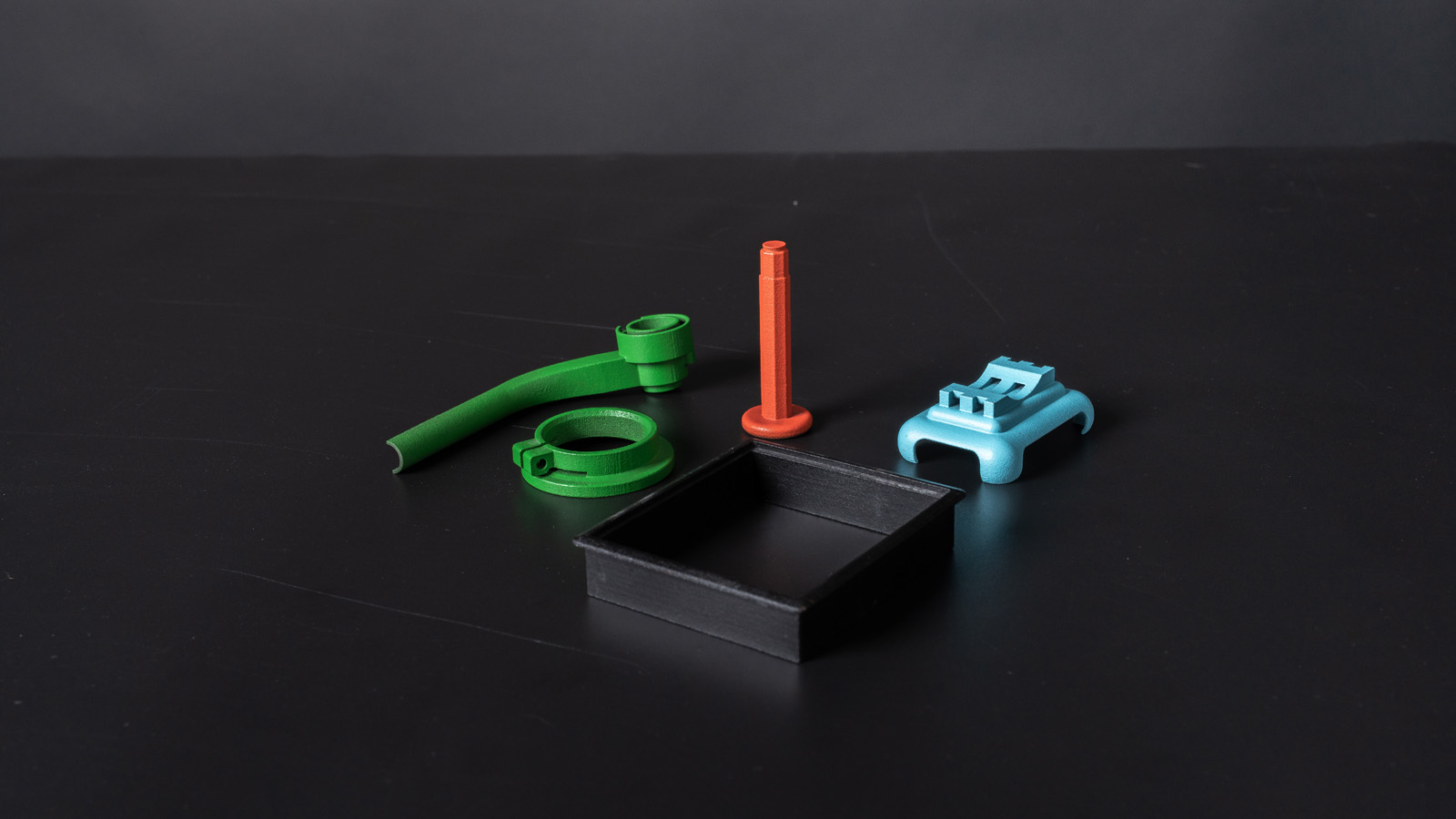
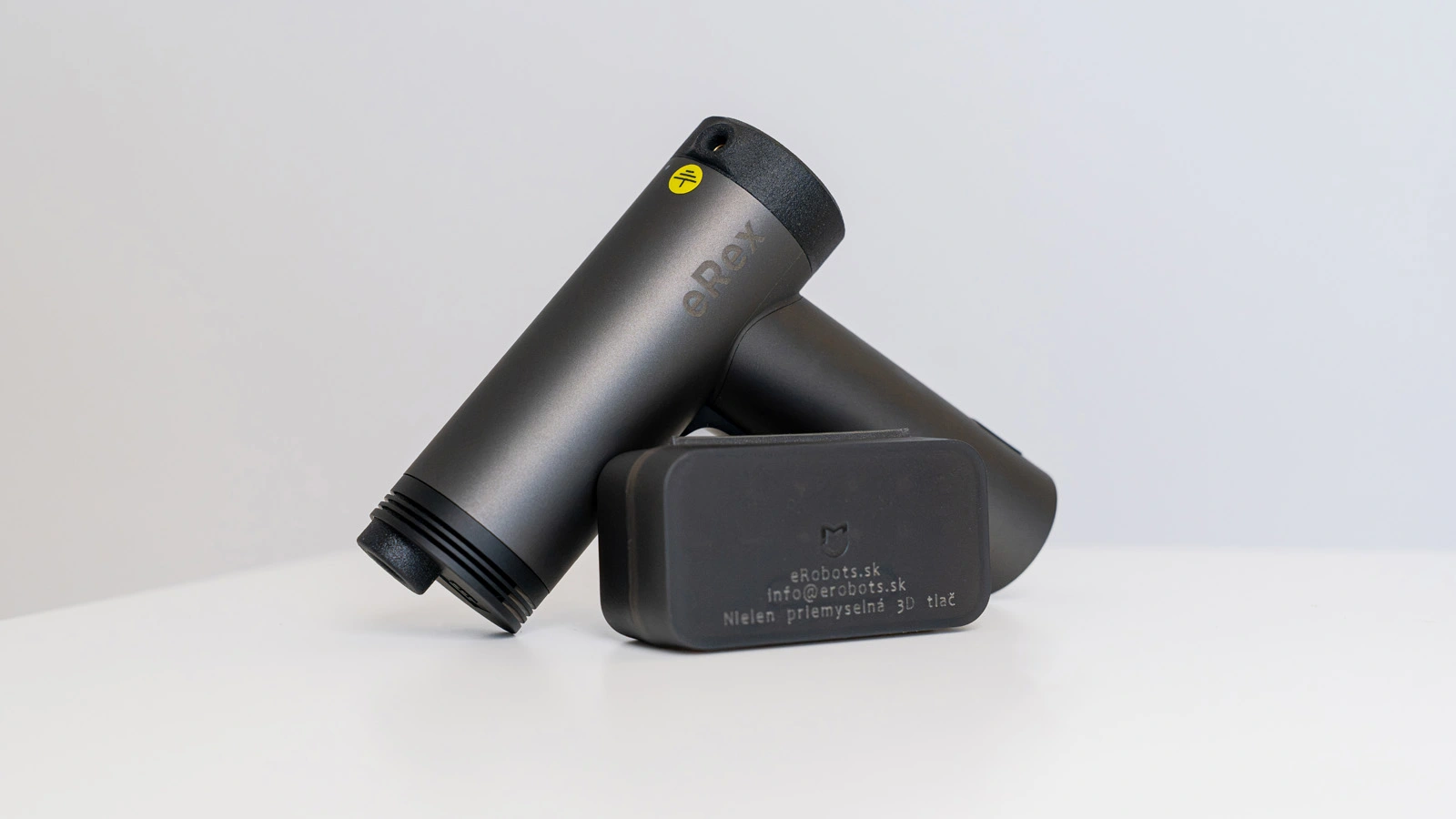
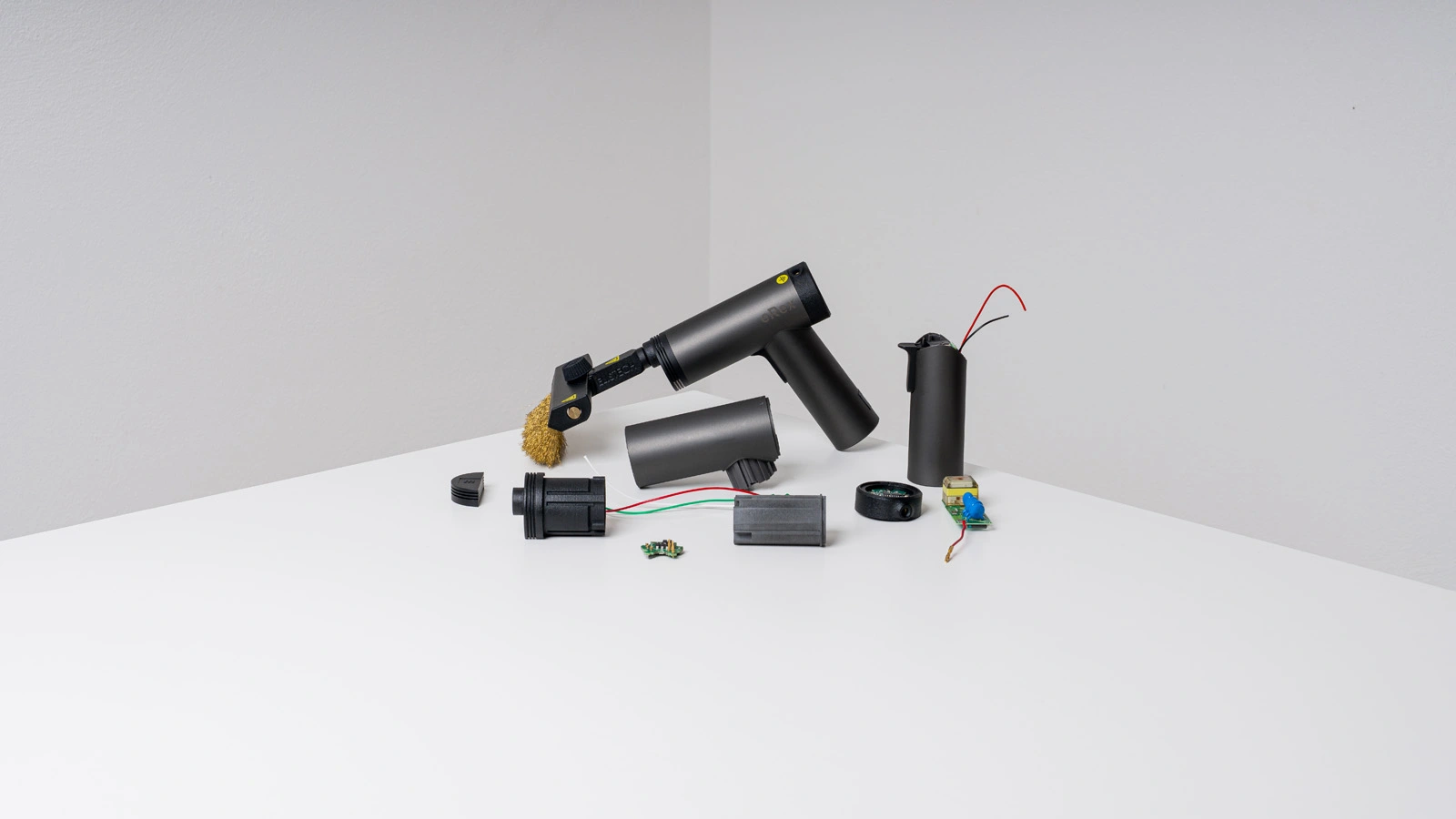
Surface finishing can significantly change both the appearance and the properties of the final part. Depending on the required result, we can provide painting, staining, lacquering, texturing or other finishing operations. The part can then be ready for presentation, assembly or direct end use.









Types of surface finishes
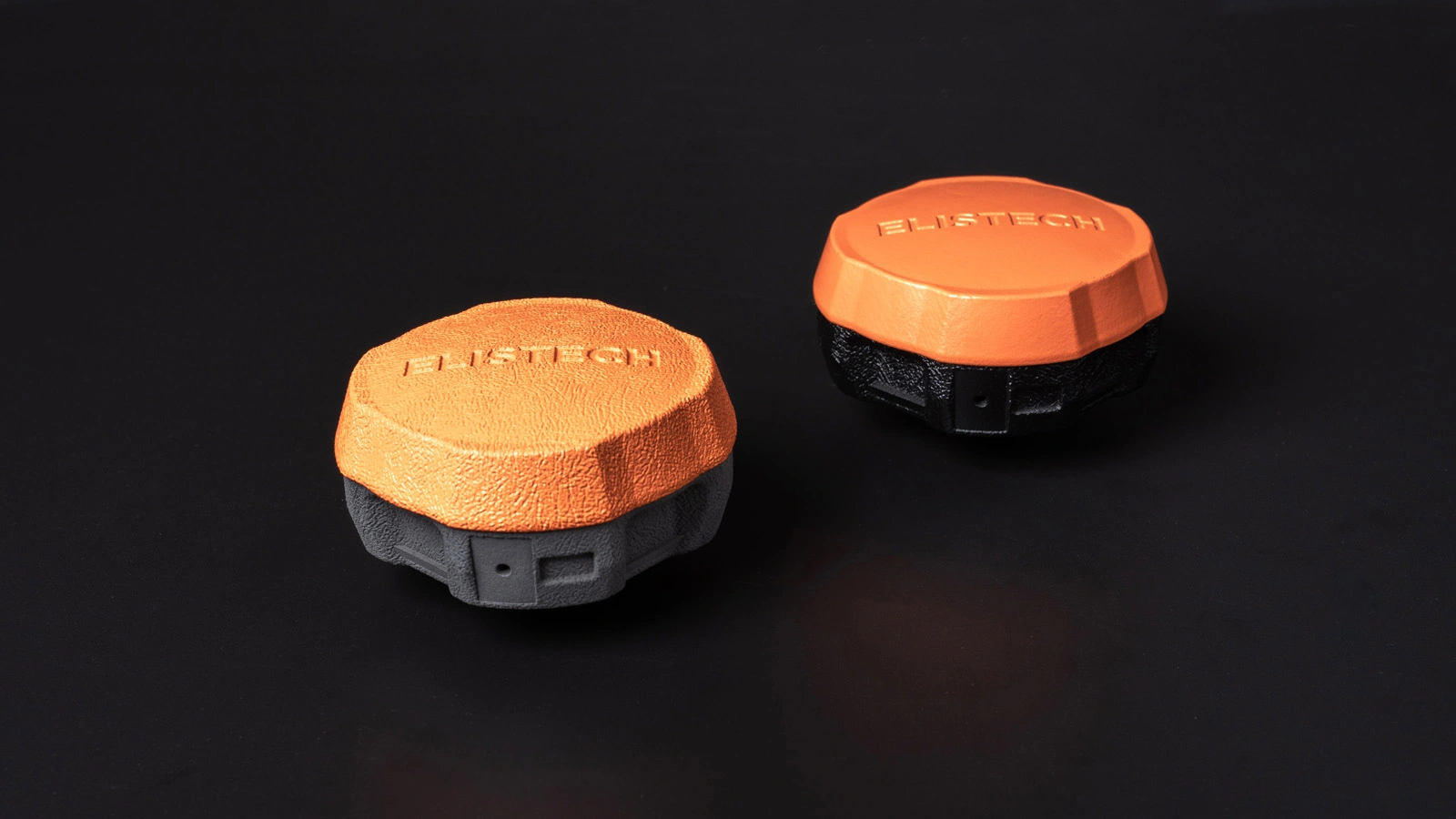
With surface finishing we can give a part the required appearance, colour, texture or final surface quality. Depending on the material and use of the part, we offer several finishing methods – from painting and staining to lacquering and texturing.
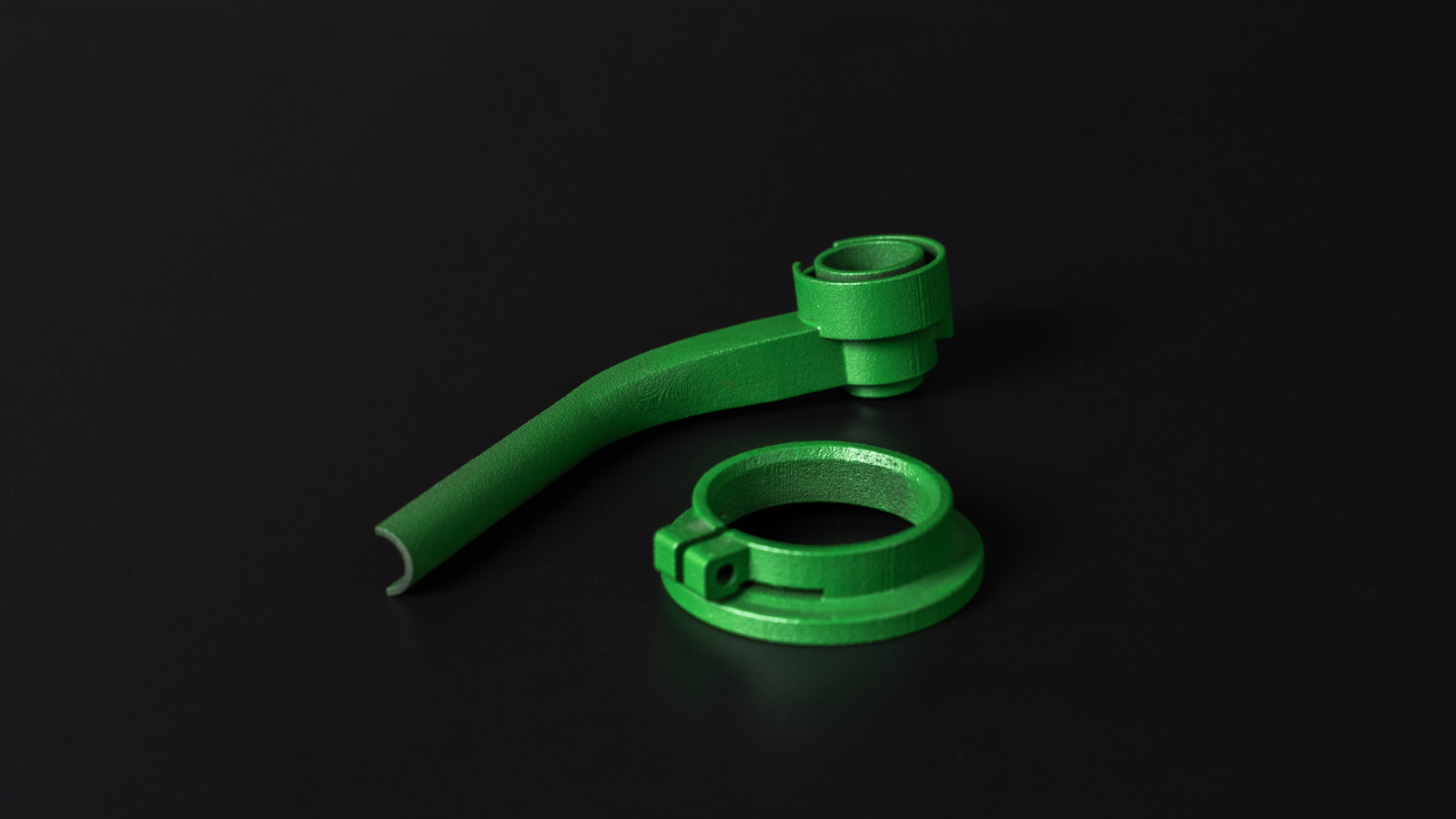
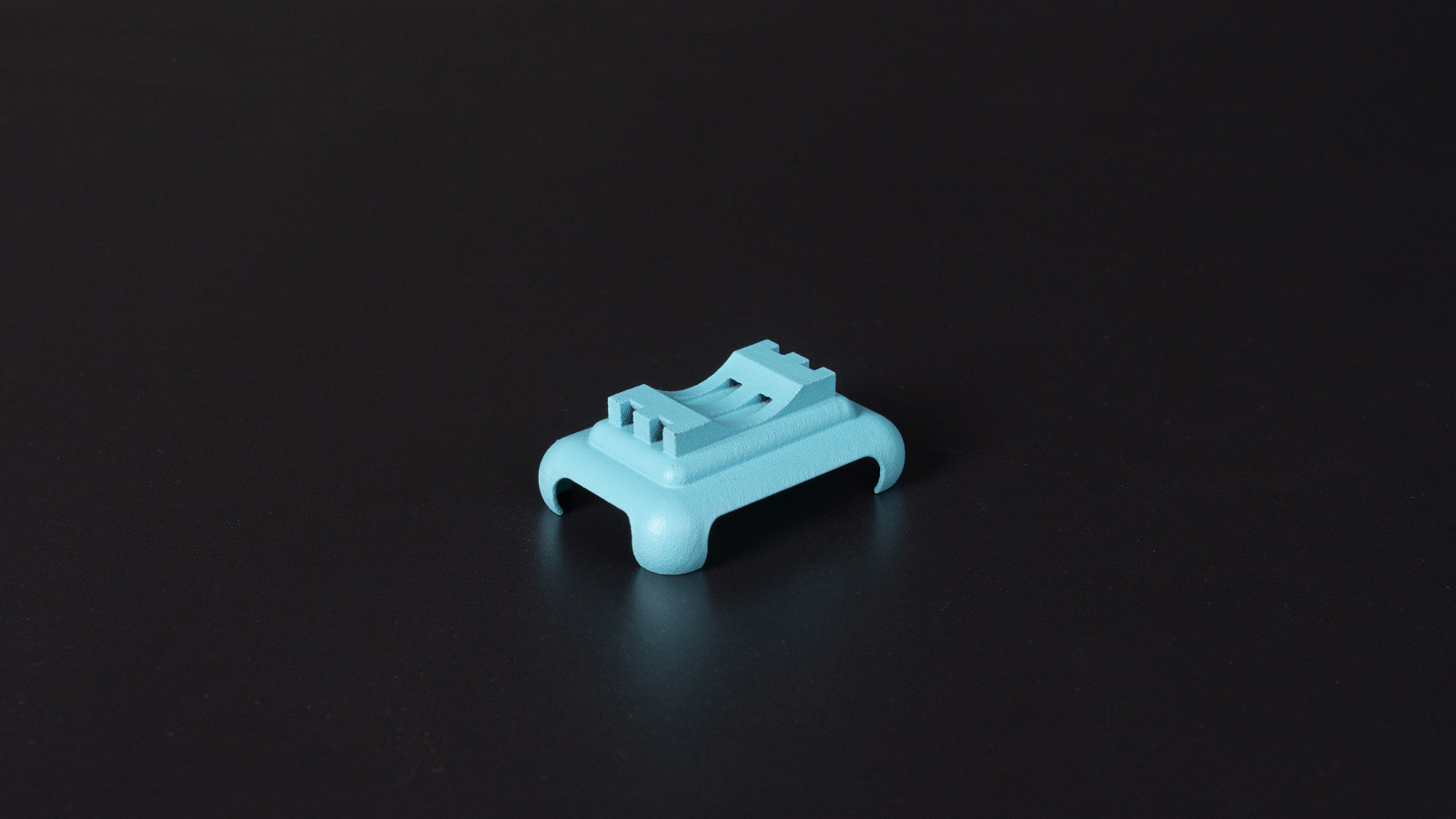
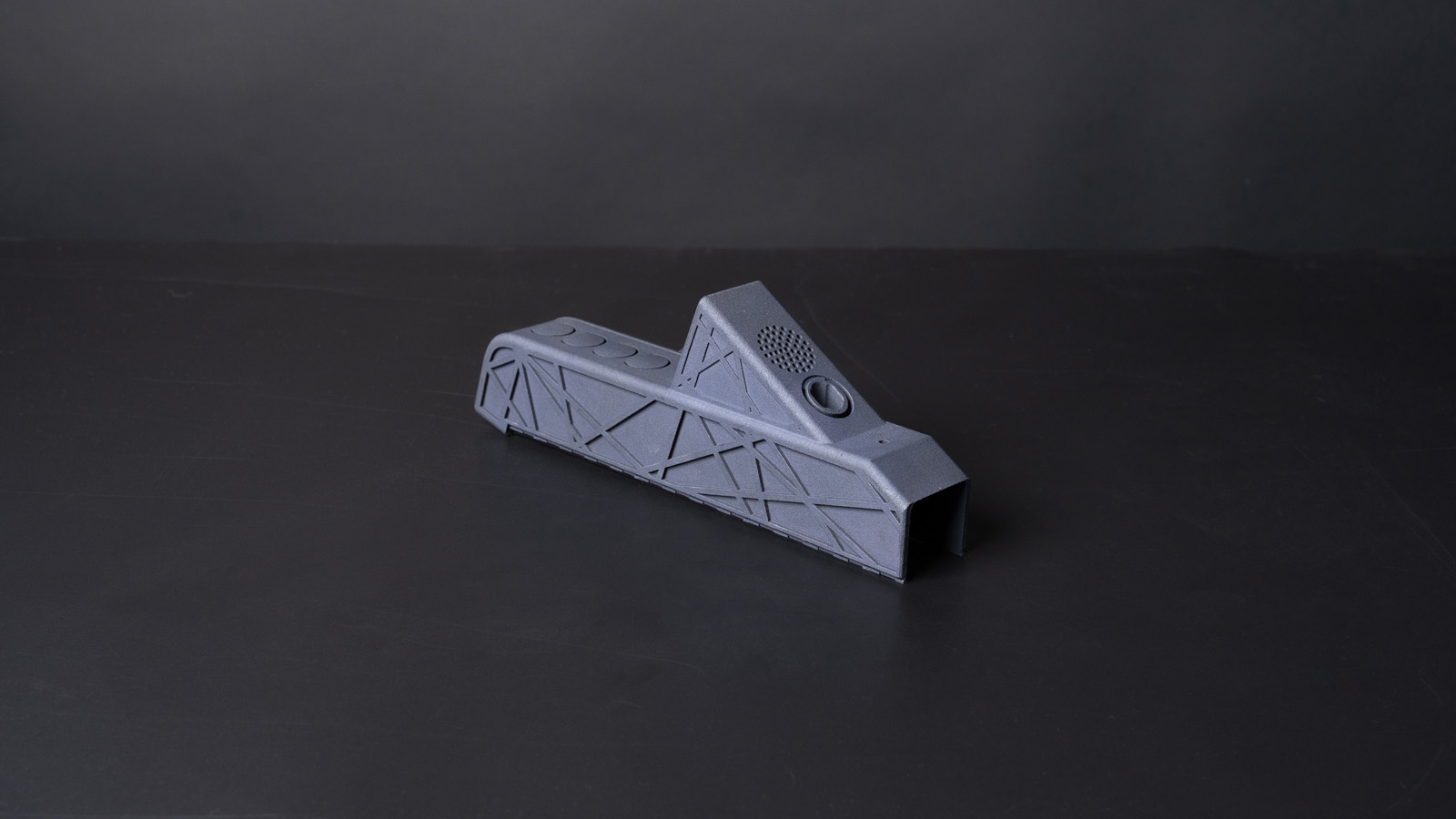
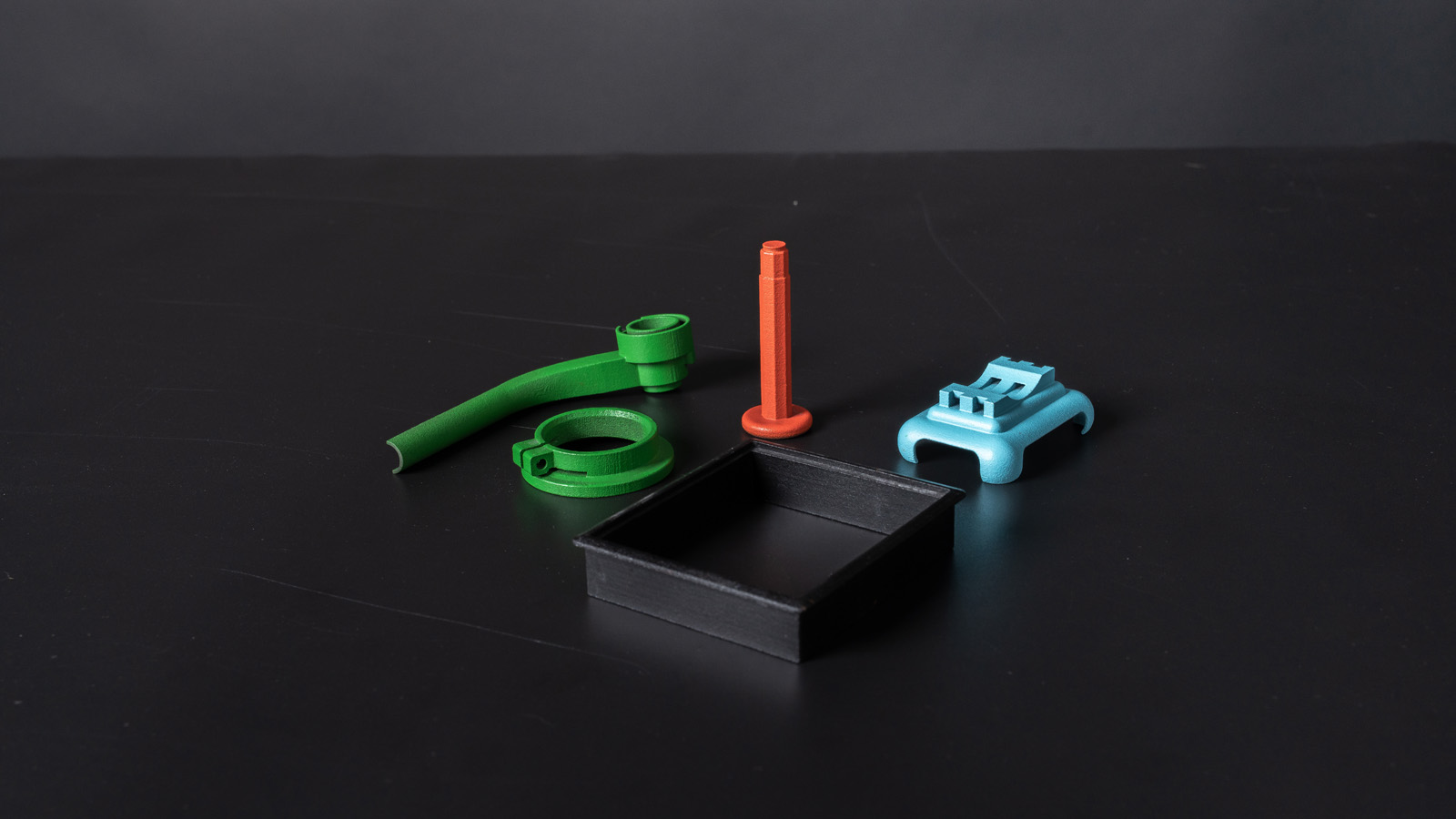
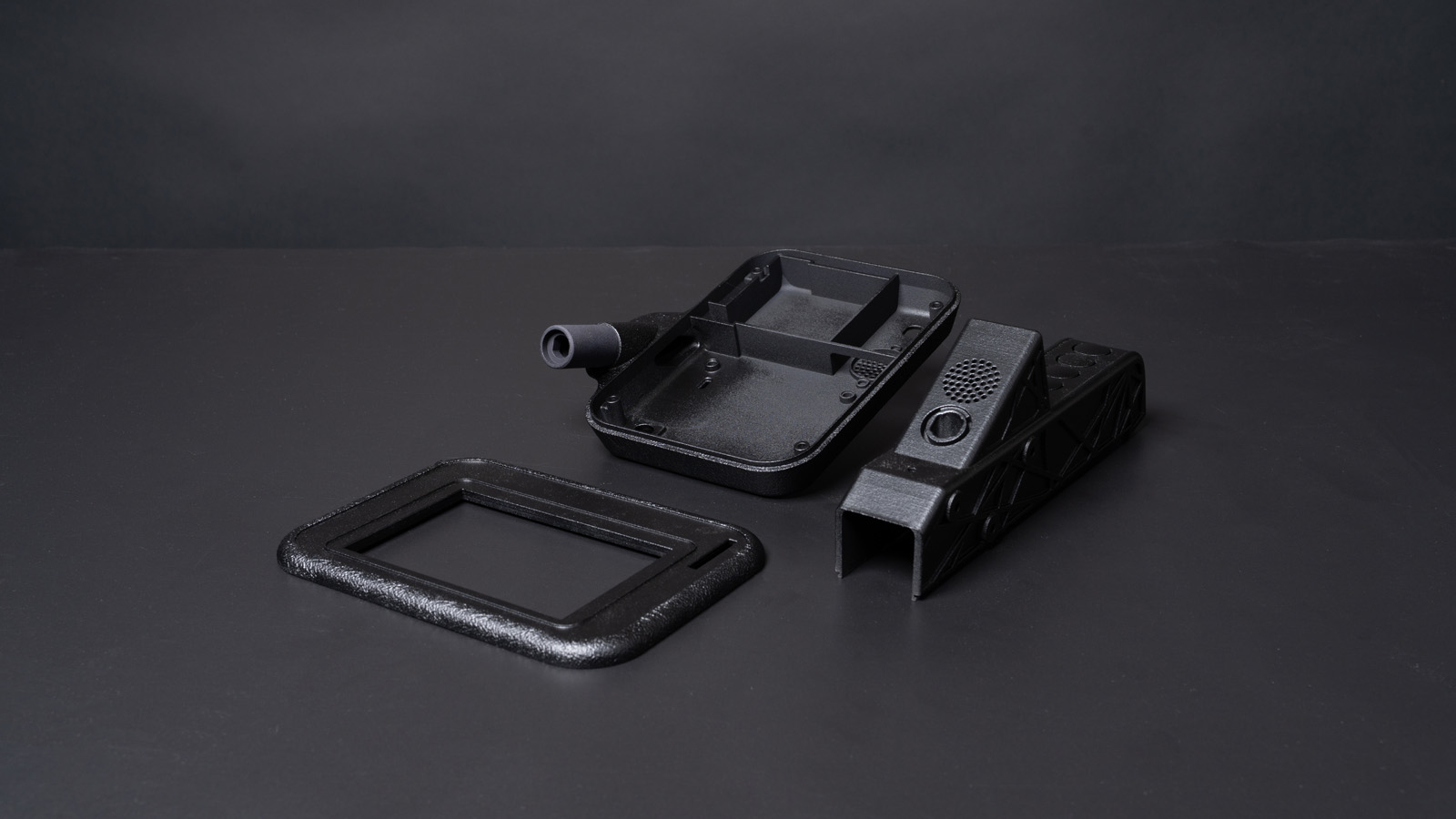
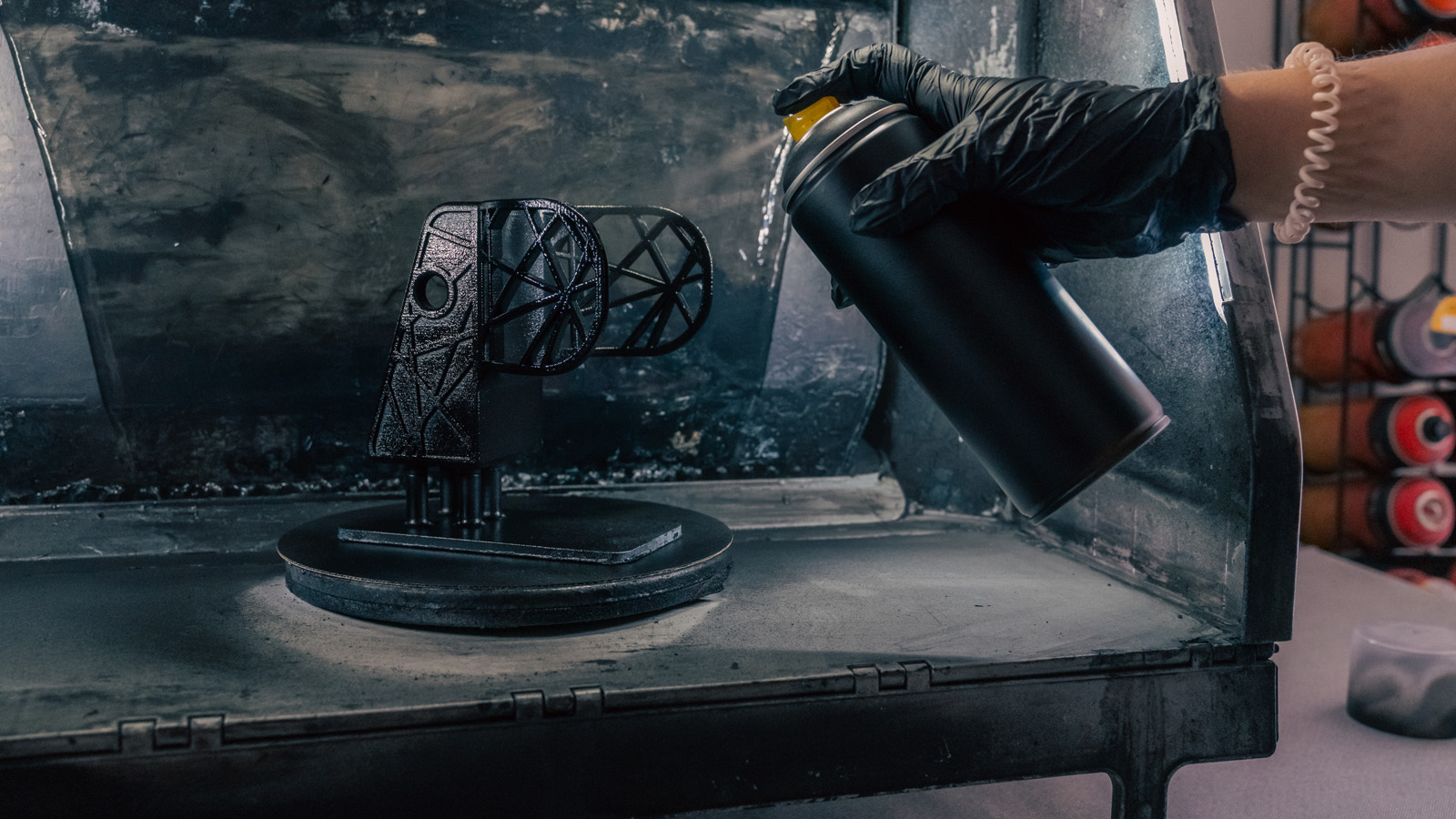
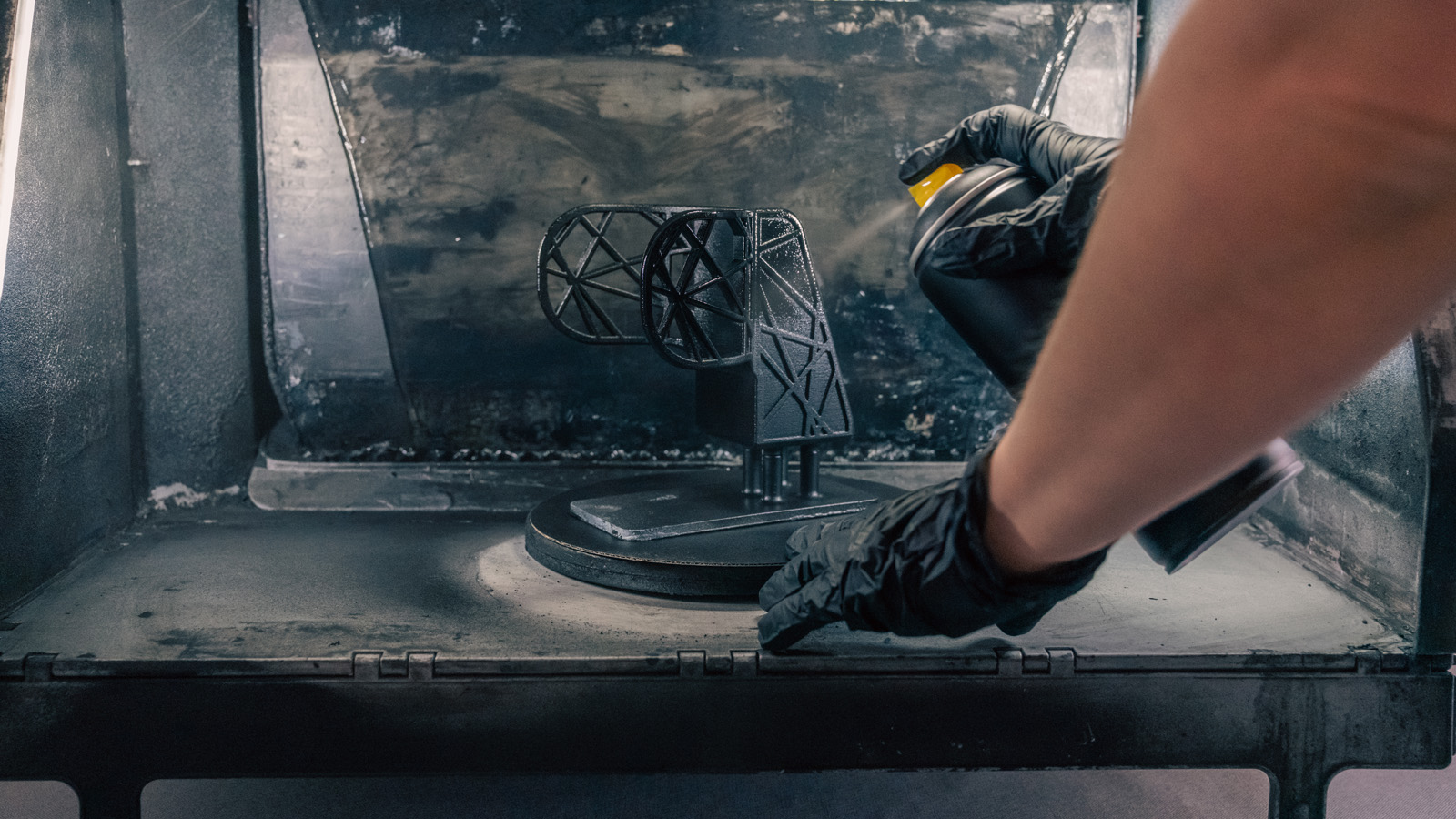
With painting we can give a part the required shade and a more uniform final appearance. It is especially suitable where a part should visually fit into the product, distinguish functional parts or simply look more professional.

Advantages
-
 55 shades in stock as standard
-
Custom RAL shade mixing available
-
Matte and glossy finish
-
Protective lacquer available
-
Suitable for prototypes and end-use parts
Specifics
-
 The shade may be affected by the base colour
-
Complex geometries make even spraying harder
-
The surface may be damaged under stress
-
Acrylic paints have lower chemical resistance
-
1K or 2K lacquer increases durability
-
Spraying affects precise mating surfaces
Applications
-
Final covers and visible parts
-
Coloured prototypes
-
Presentation models
-
Colour coding of components
-
Parts intended for assembly into the final product
Technical parameters
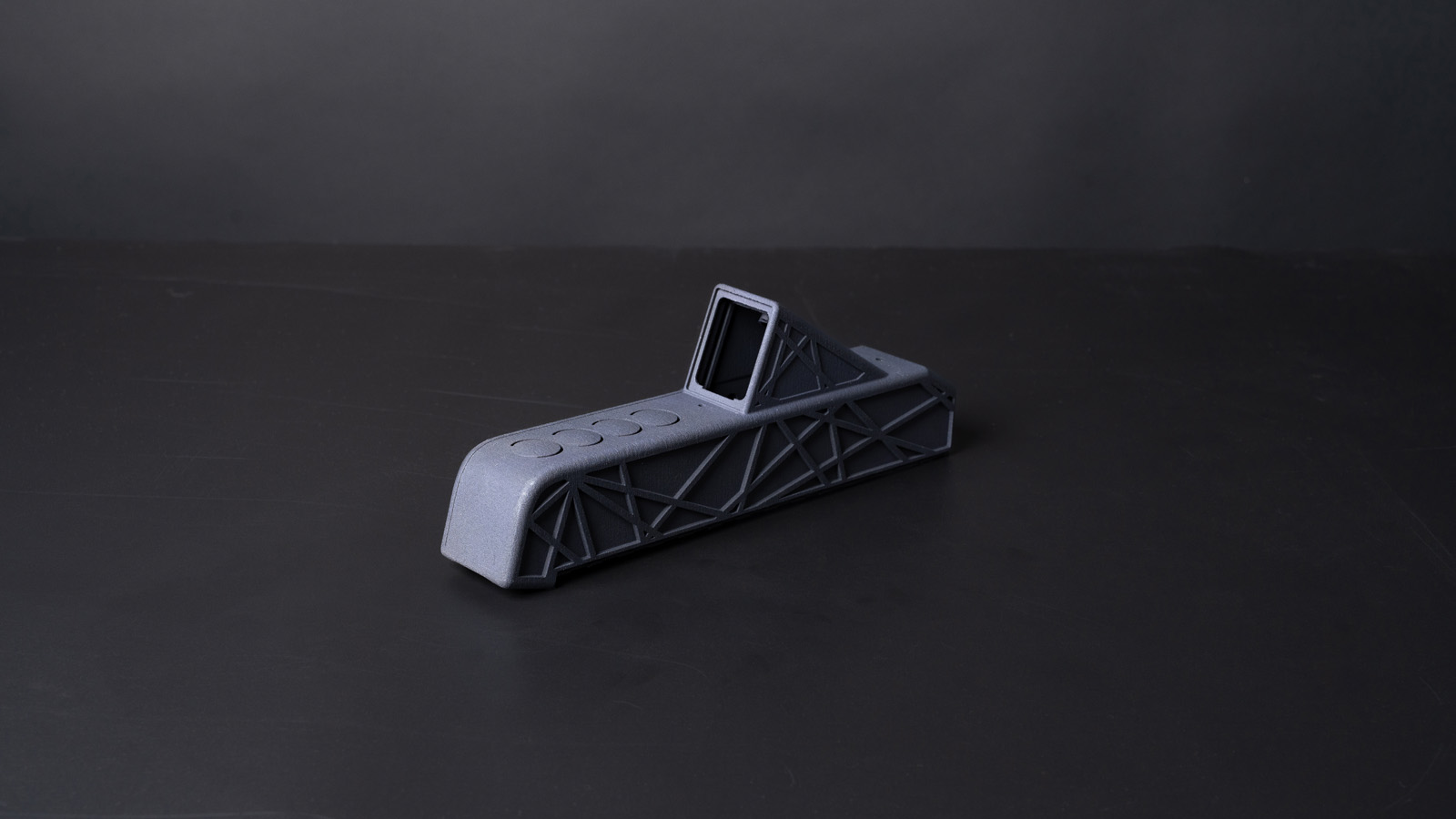
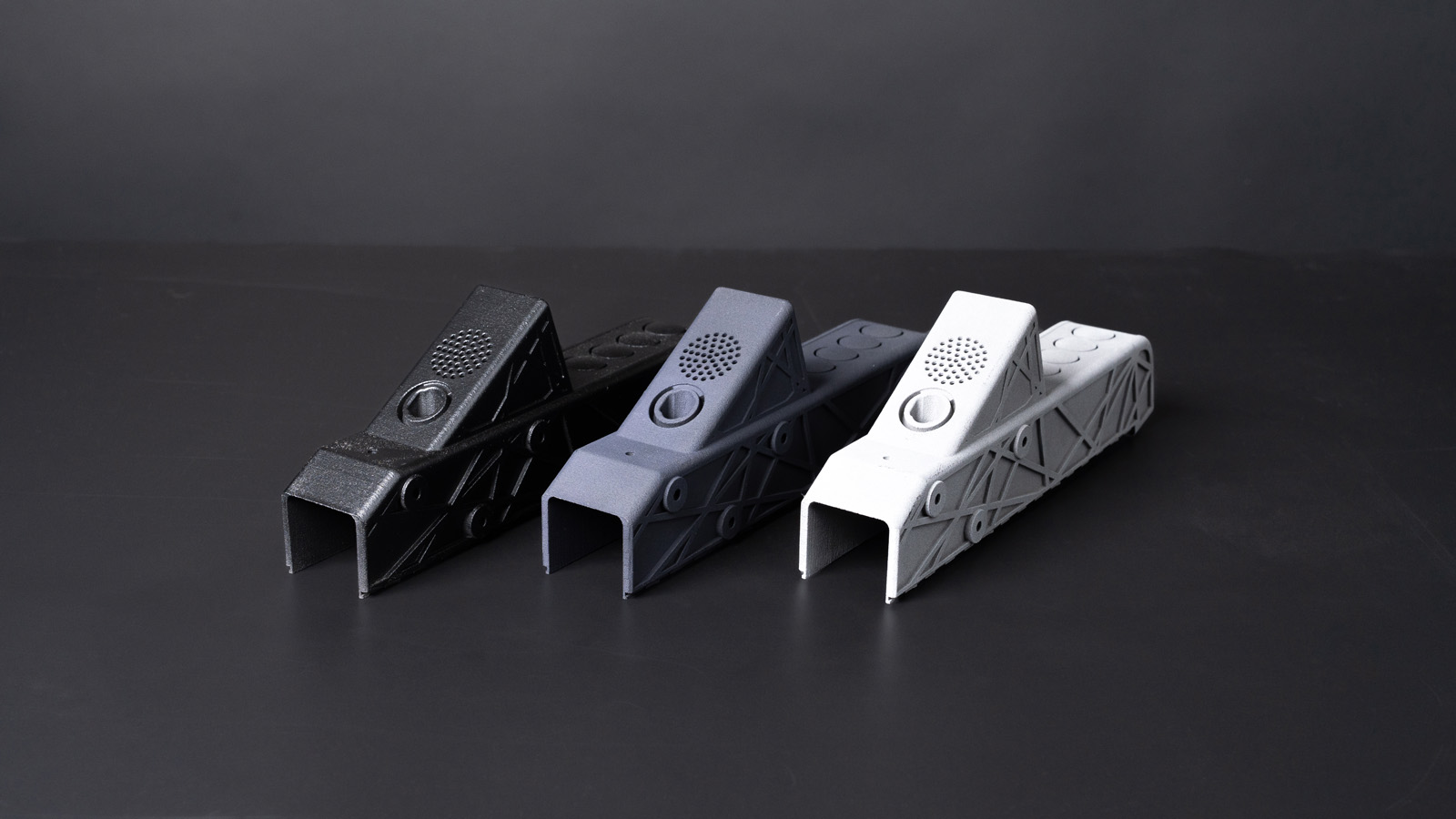
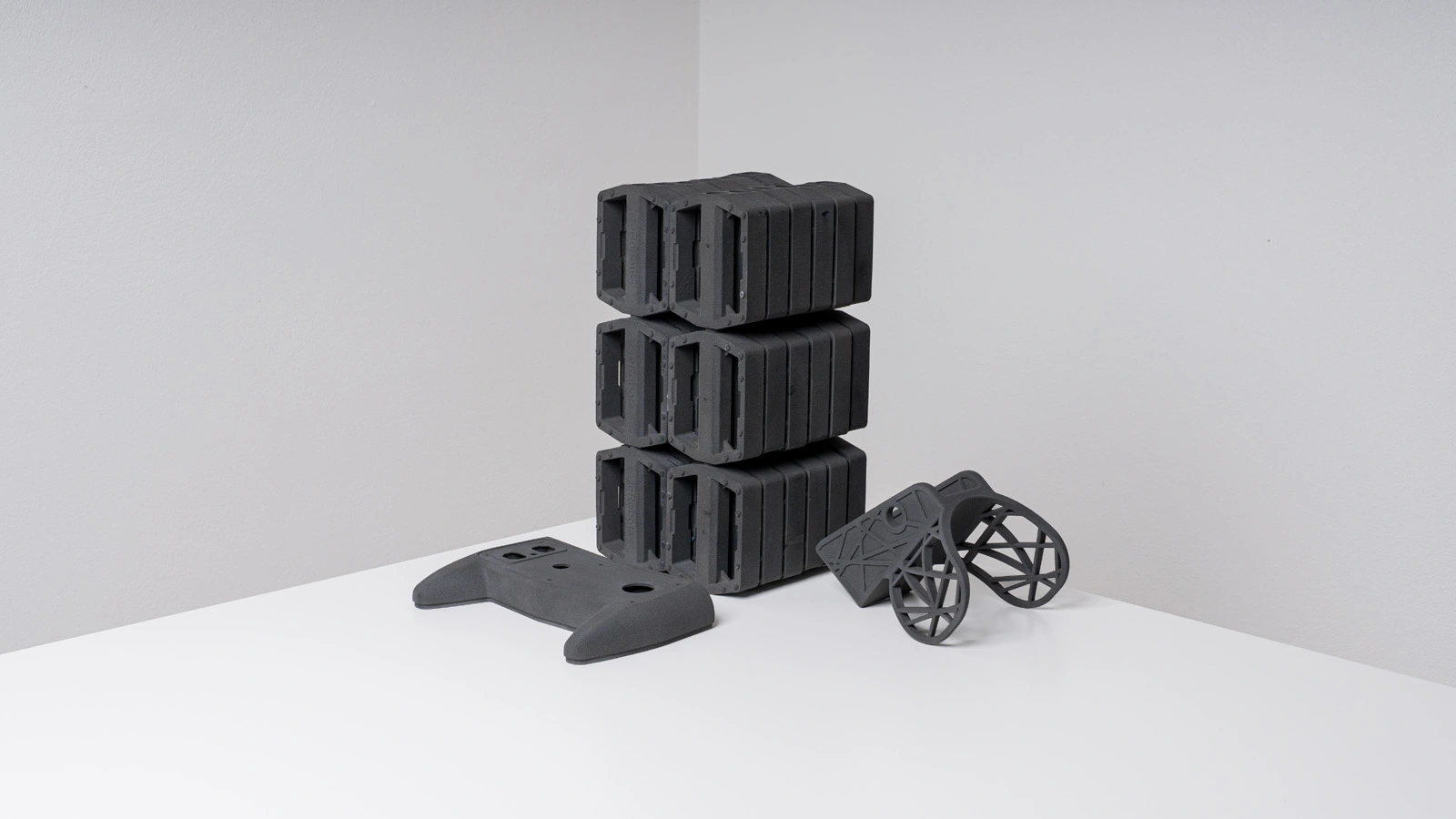
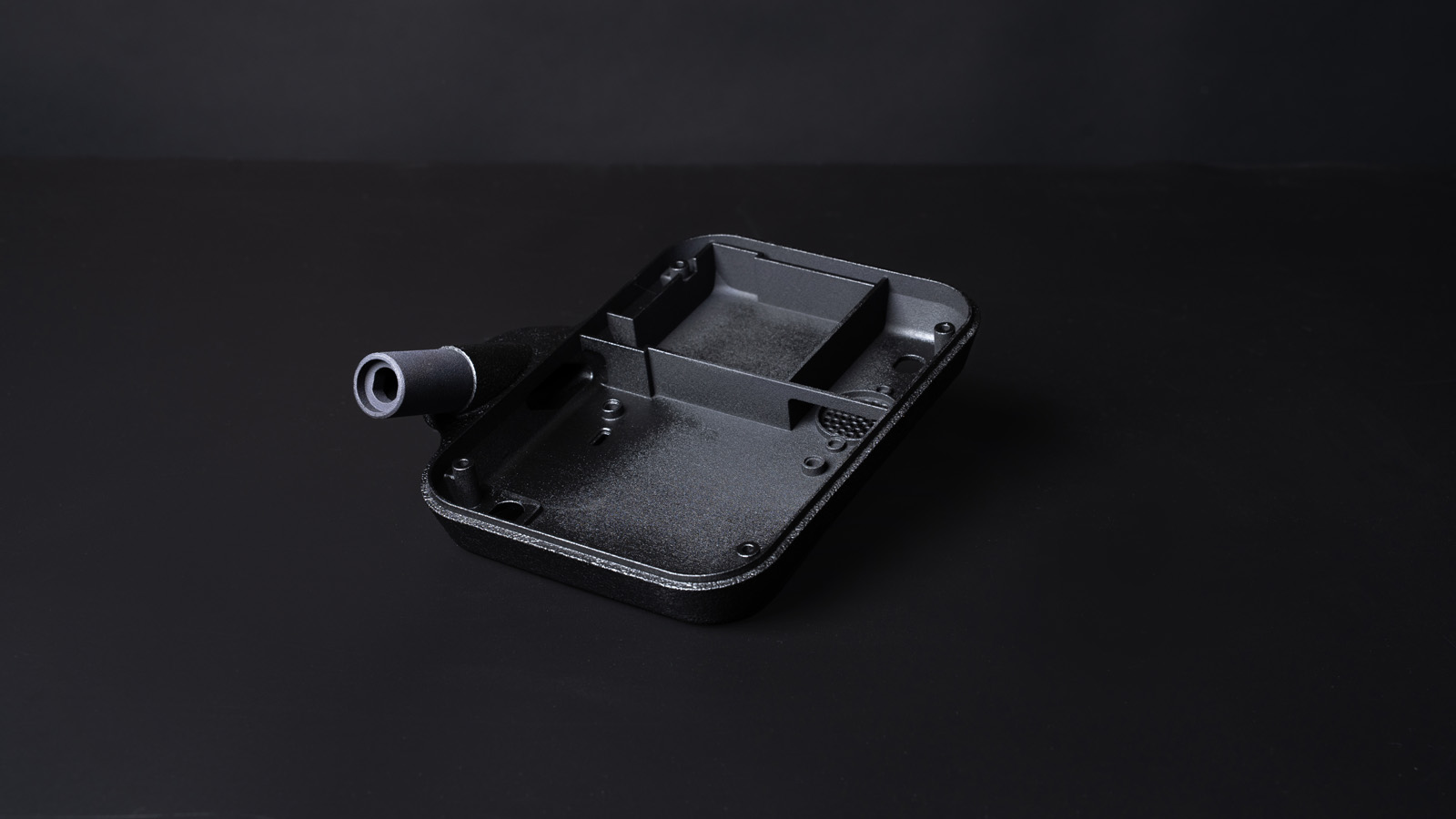
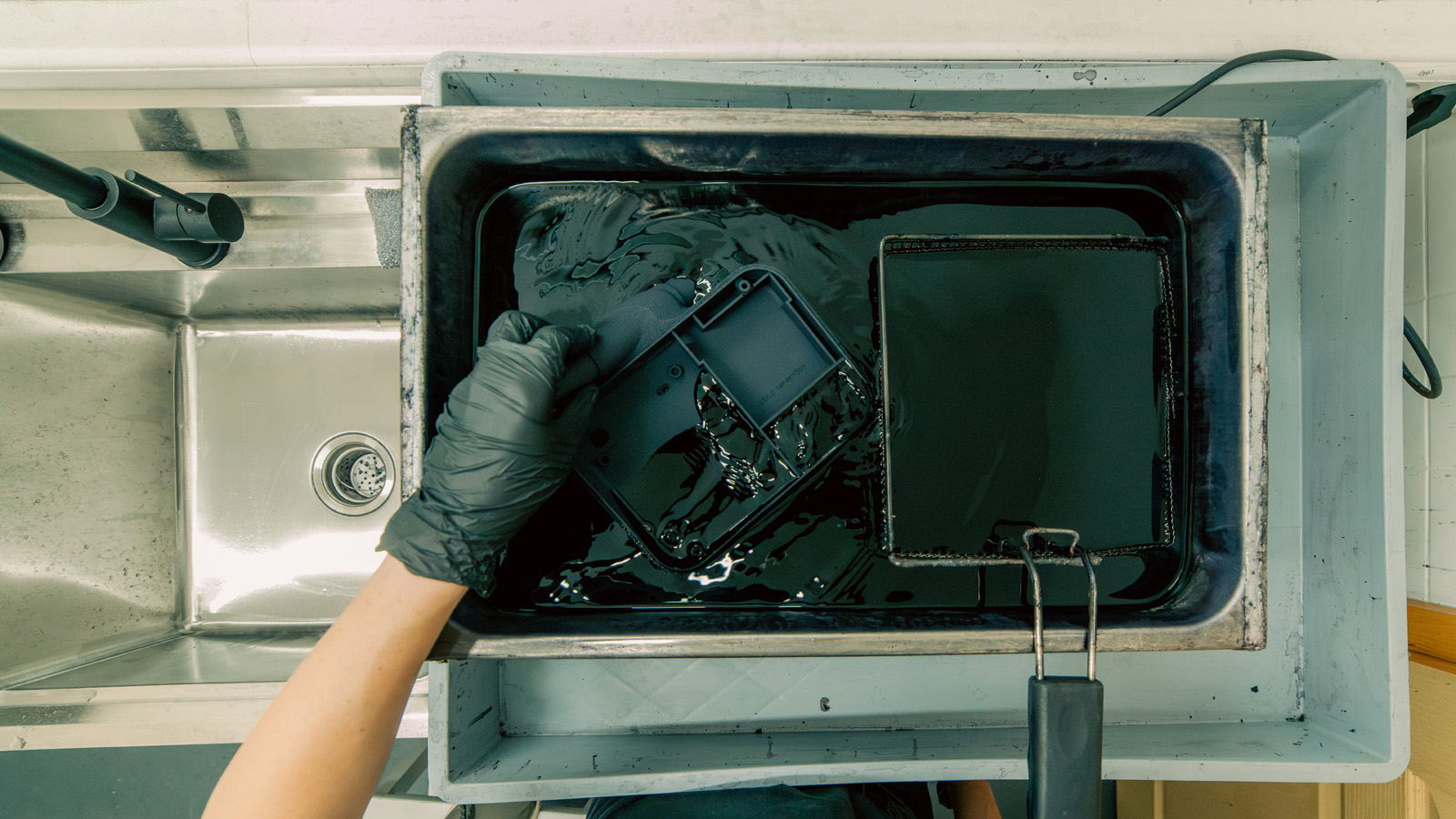
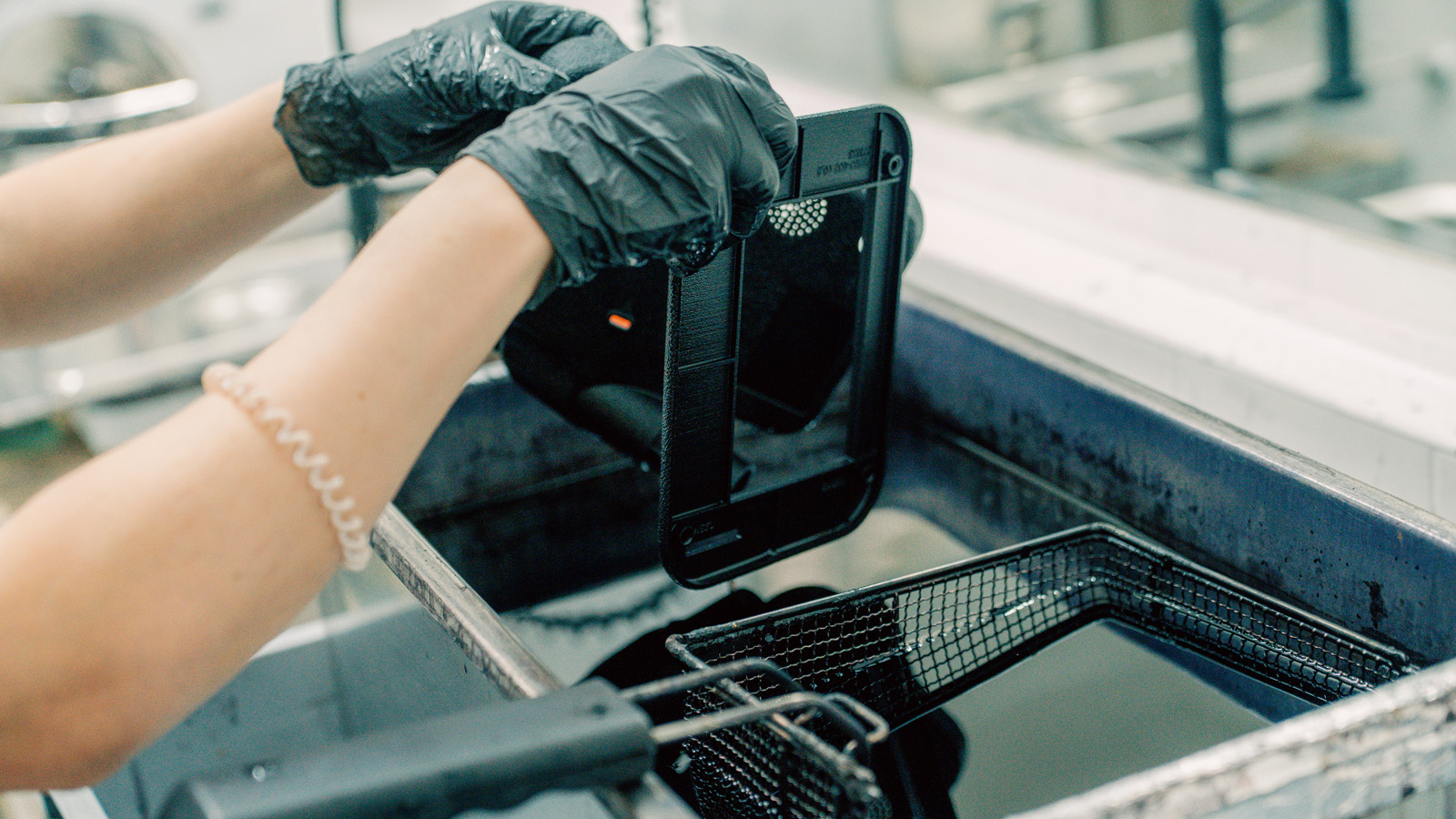
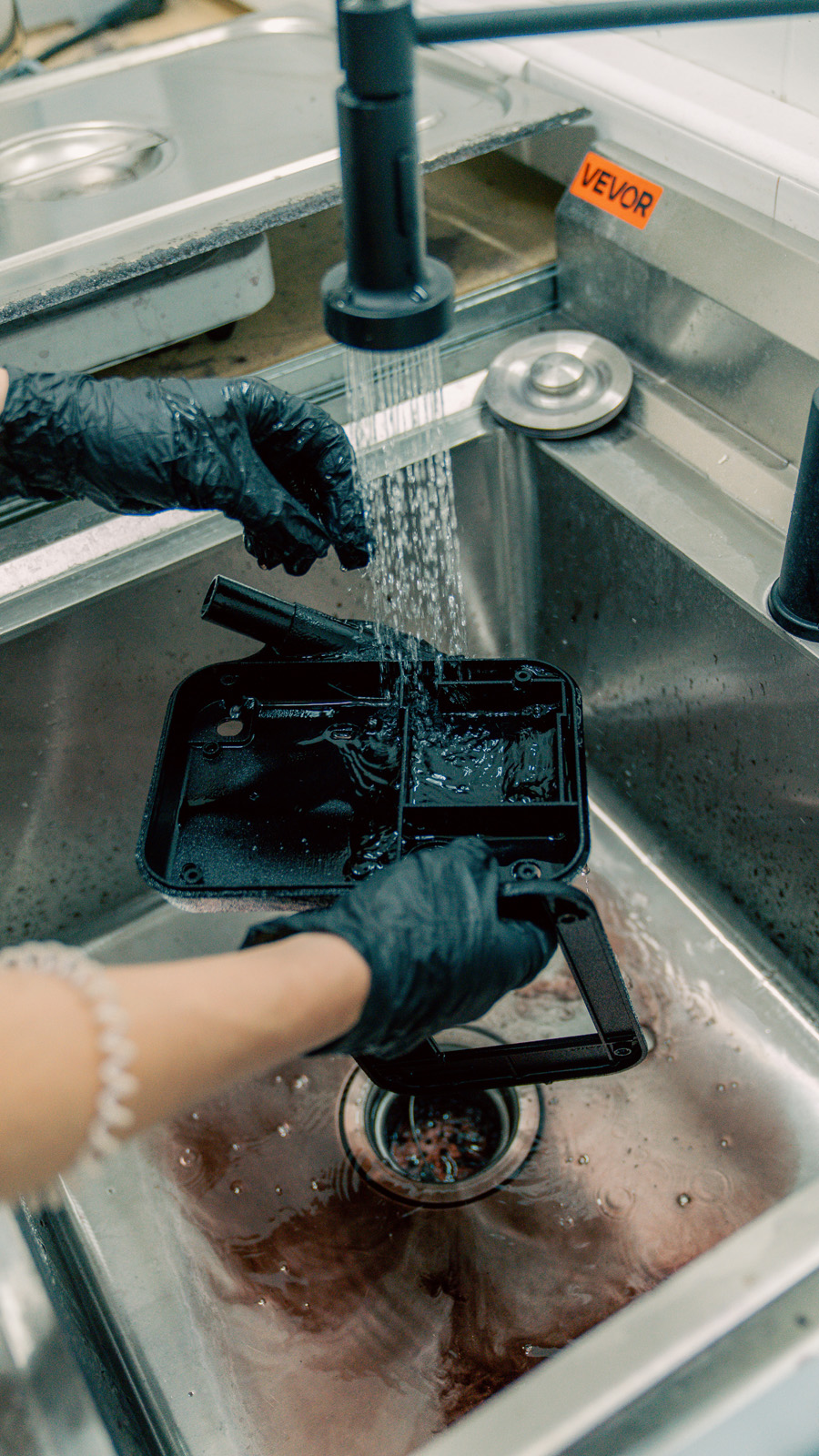
Staining changes the appearance of a part's surface without creating a thick covering layer. It is mainly used to unify colour, highlight details and achieve a cleaner final look while keeping the character of the surface.
Advantages
-
Colouring without a noticeable covering layer
-
Details and geometry are preserved
-
Uniform black appearance
-
Suitable for intricate parts too
-
Subsequent lacquering possible
Specifics
-
Currently available in black
-
It is not a protective coating
-
Higher durability can be added with lacquer
Applications
-
Black functional parts
-
Covers and visible components
-
SLS parts
-
Small and medium series
-
Parts intended for further assembly
Technical parameters
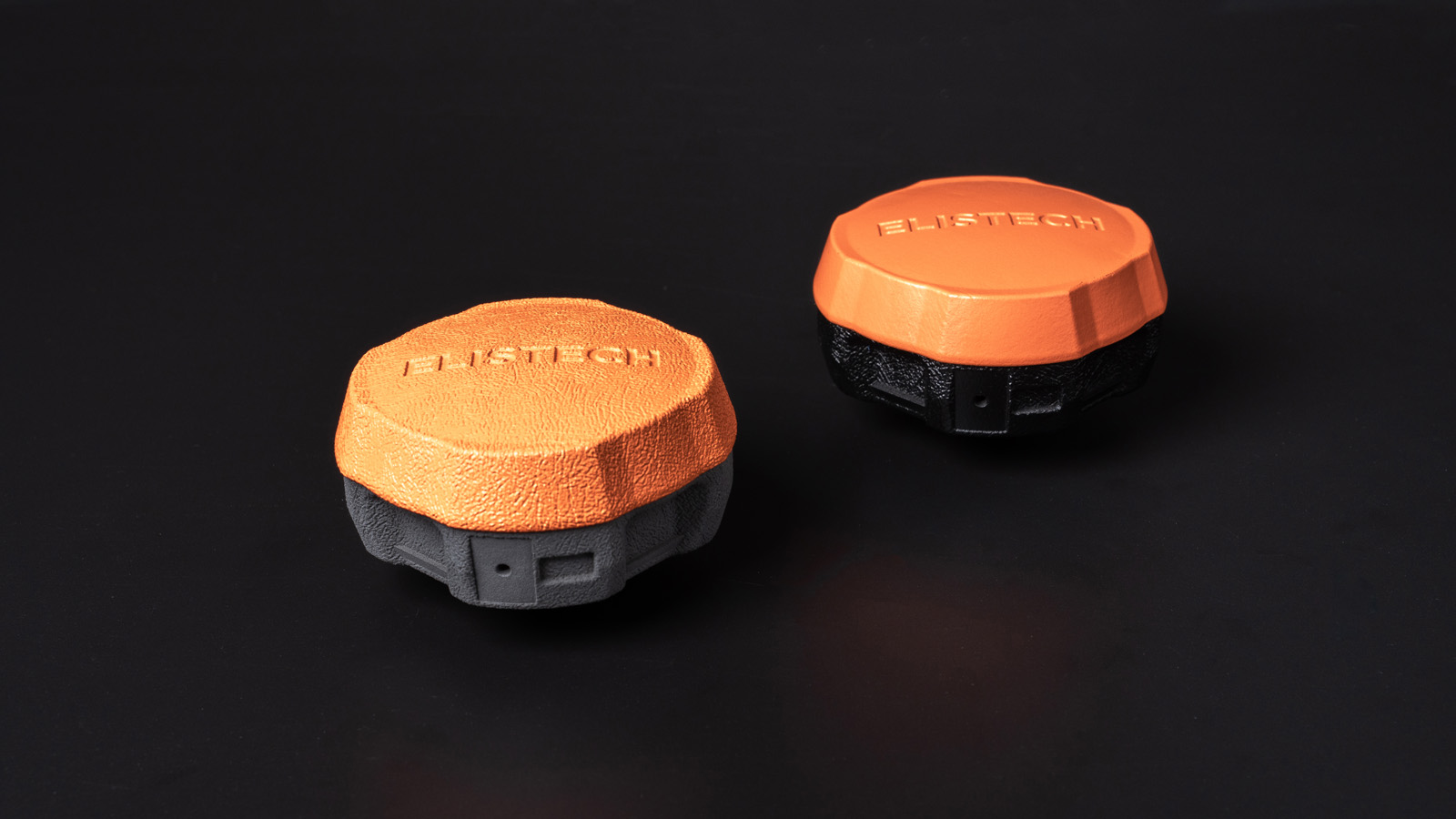
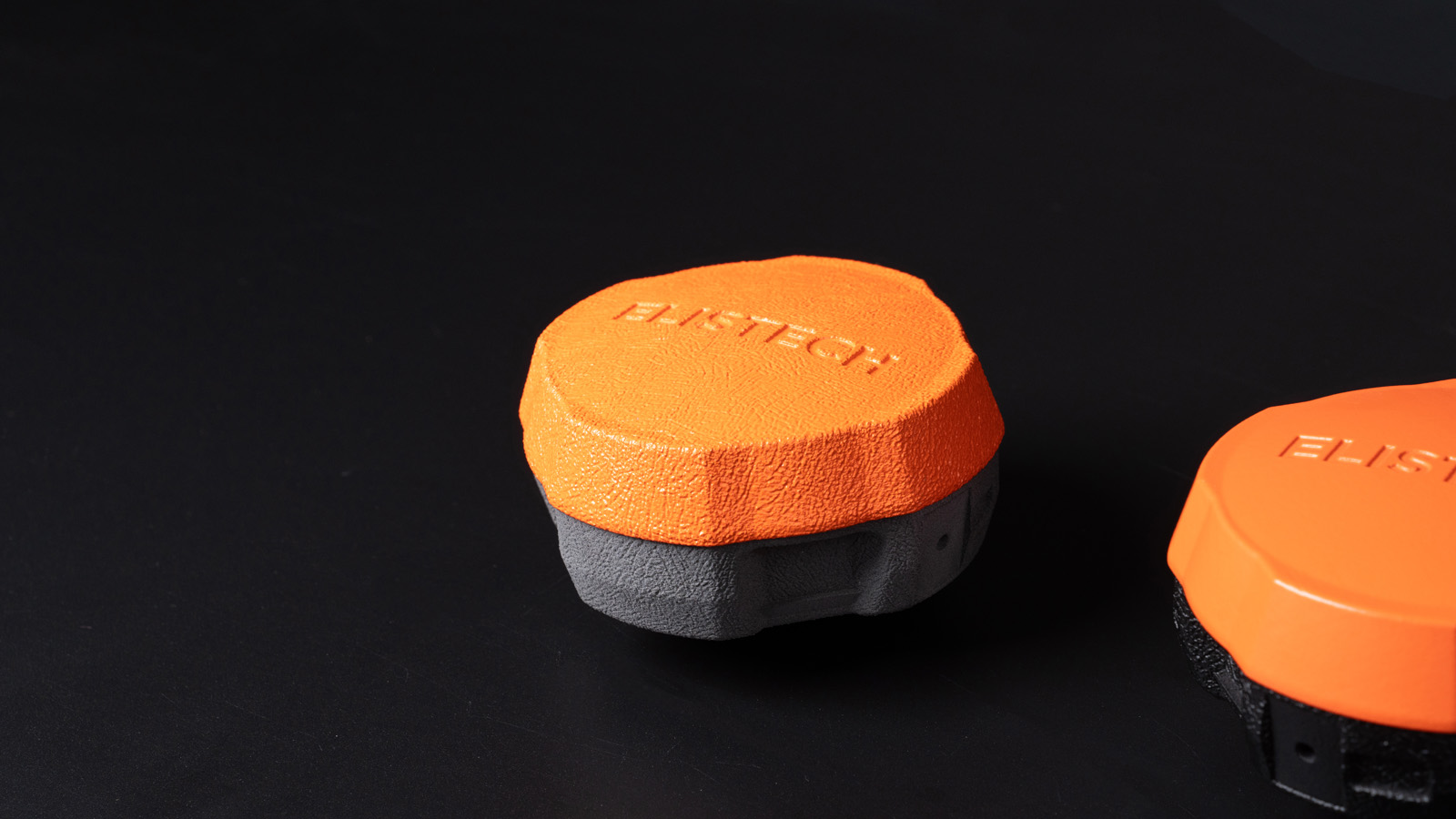
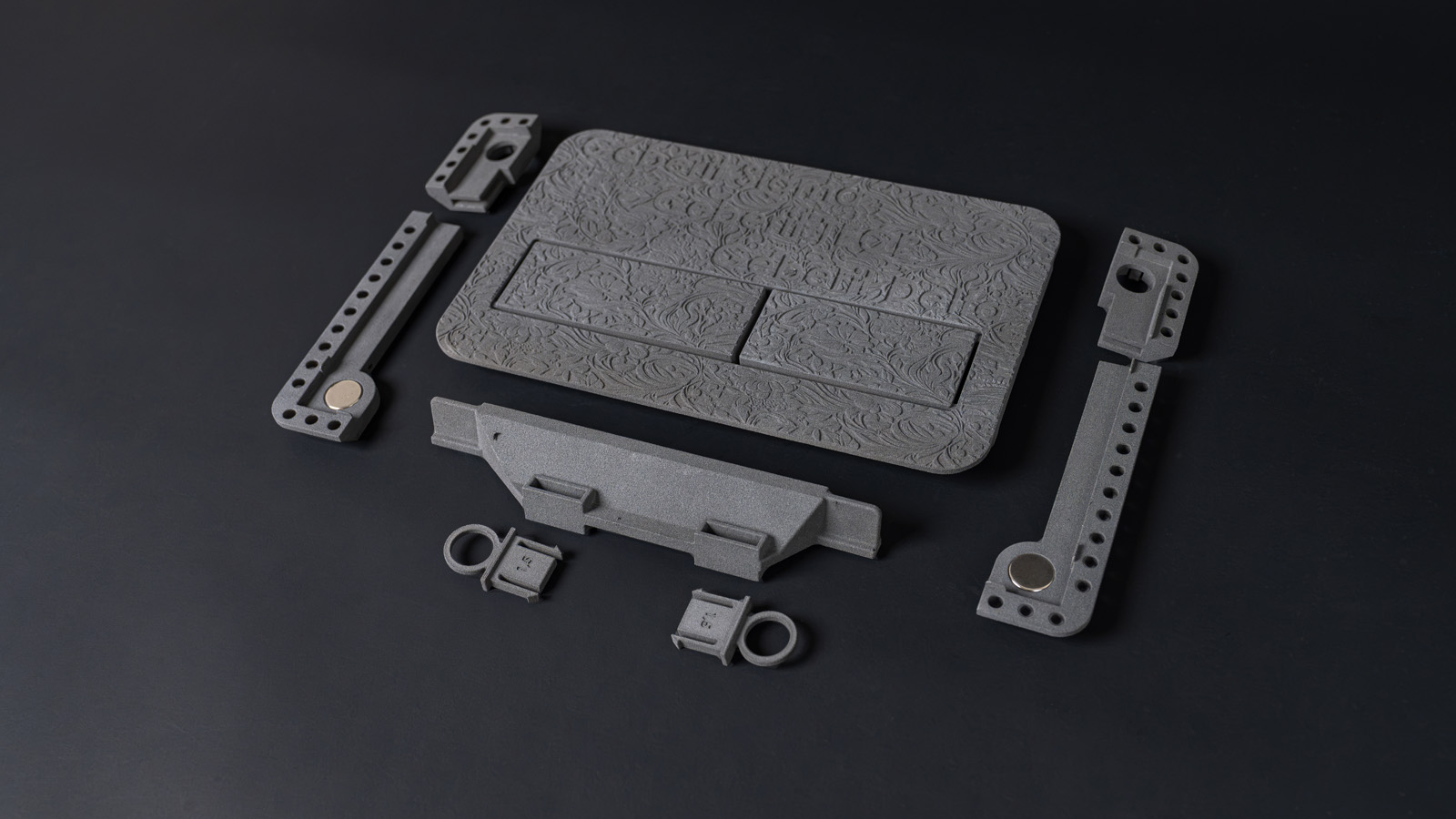
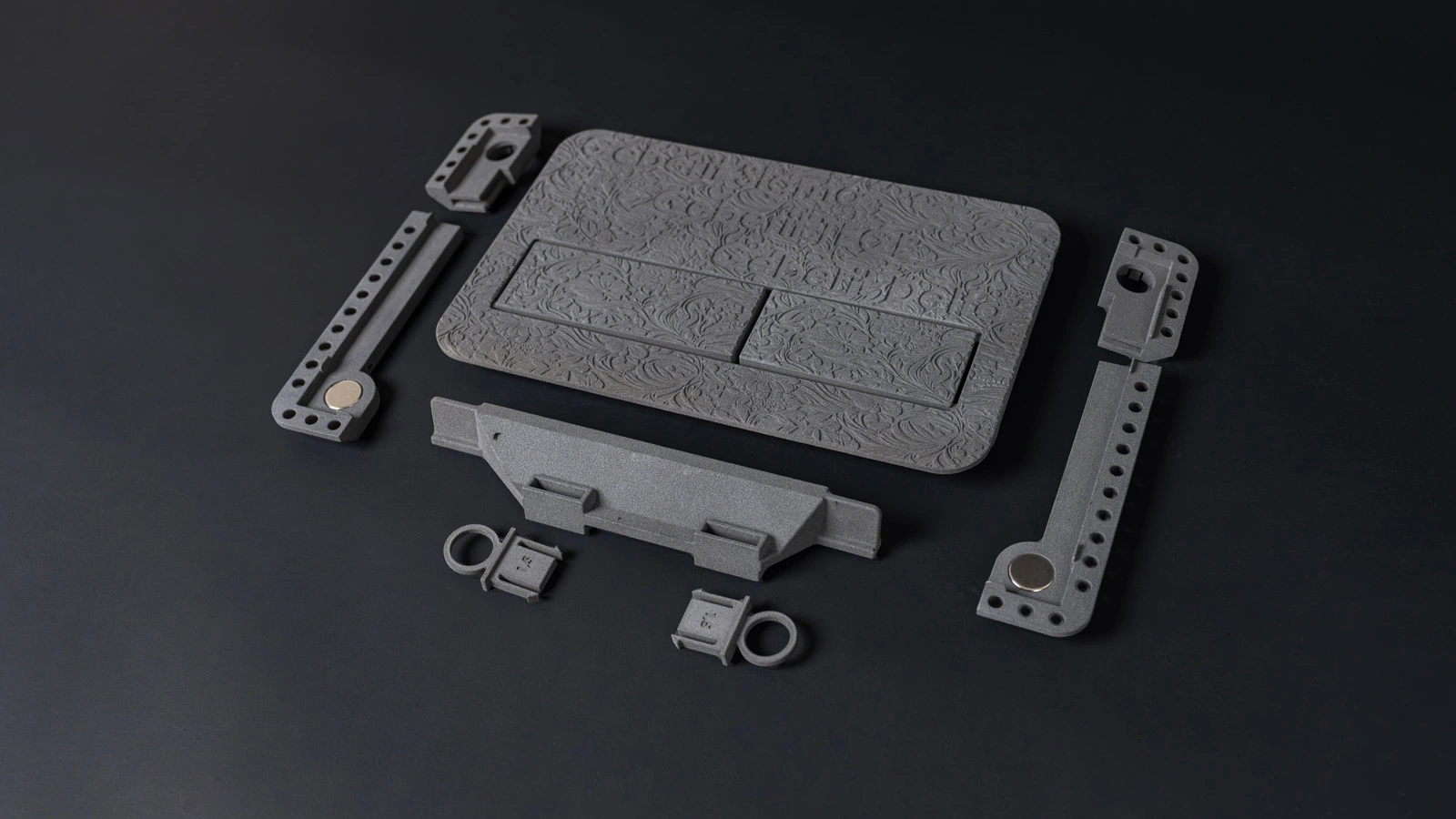
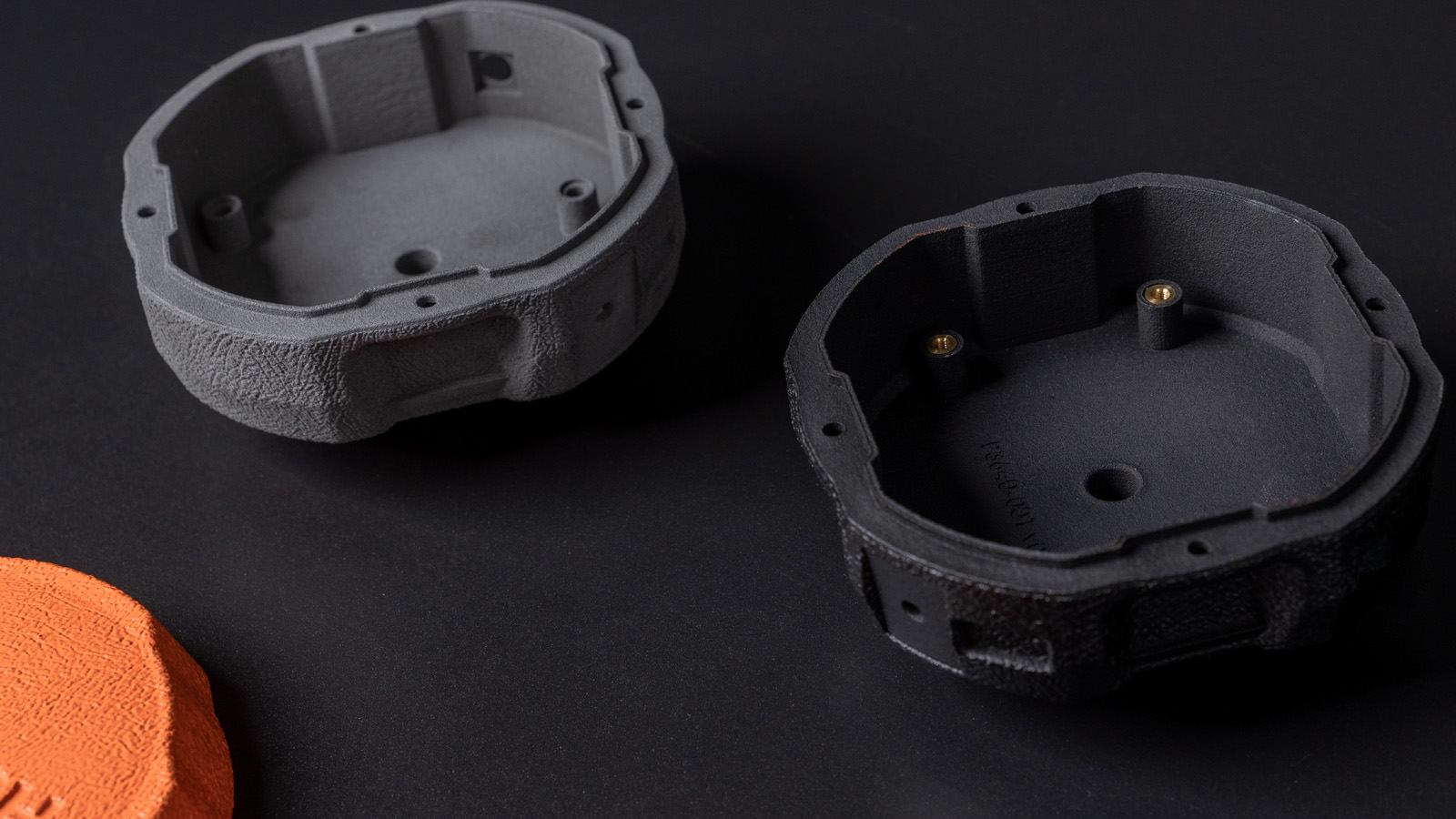
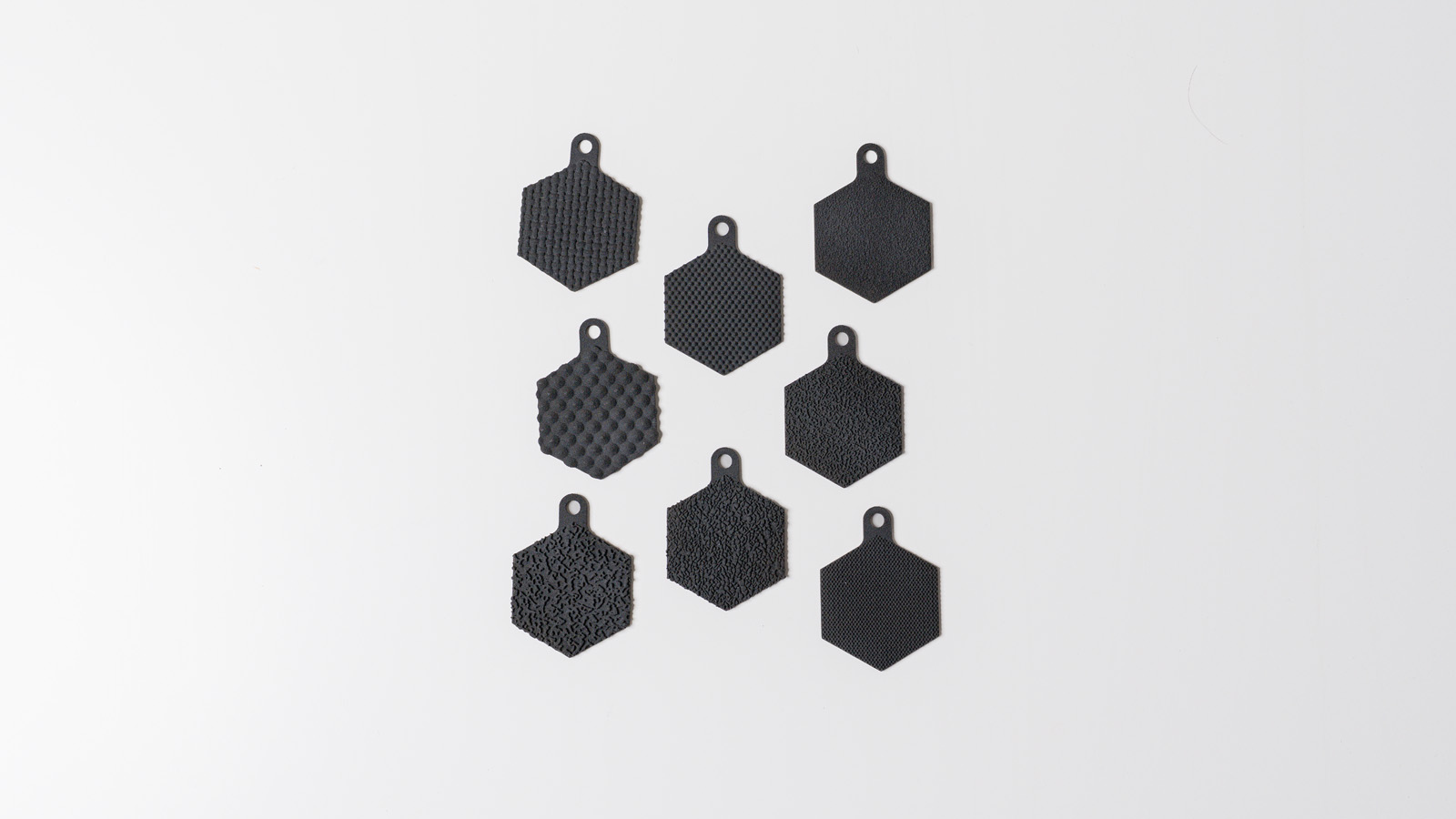
We can apply a texture directly to the 3D model before printing, according to the required pattern or look. This gives the part a fine, more pronounced or functional surface structure without the need for subsequent mechanical finishing.
Advantages
-
The texture is created directly during 3D printing
-
No additional mechanical surface finishing needed
-
Choice of standard textures
-
Custom texture from a black-and-white image
-
Texture can be applied to selected surfaces only
-
Suitable for visual and functional surface finishing
Specifics
-
The result depends on the chosen amplitude and texture cell size
-
A texture that is too fine may not be visible enough after printing
-
A texture that is too pronounced may affect dimensions or the look of details
-
Local texturing requires a STEP model with pre-marked surfaces
-
Texture parameters need to be adapted to the size and geometry of the part
Applications
-
Decorative surfaces
-
Imitation of leather and organic structures
-
Dotted, square and geometric patterns
-
Grip and anti-slip surfaces
-
Branded or custom surface patterns
Technical parameters
Gallery