3D printing
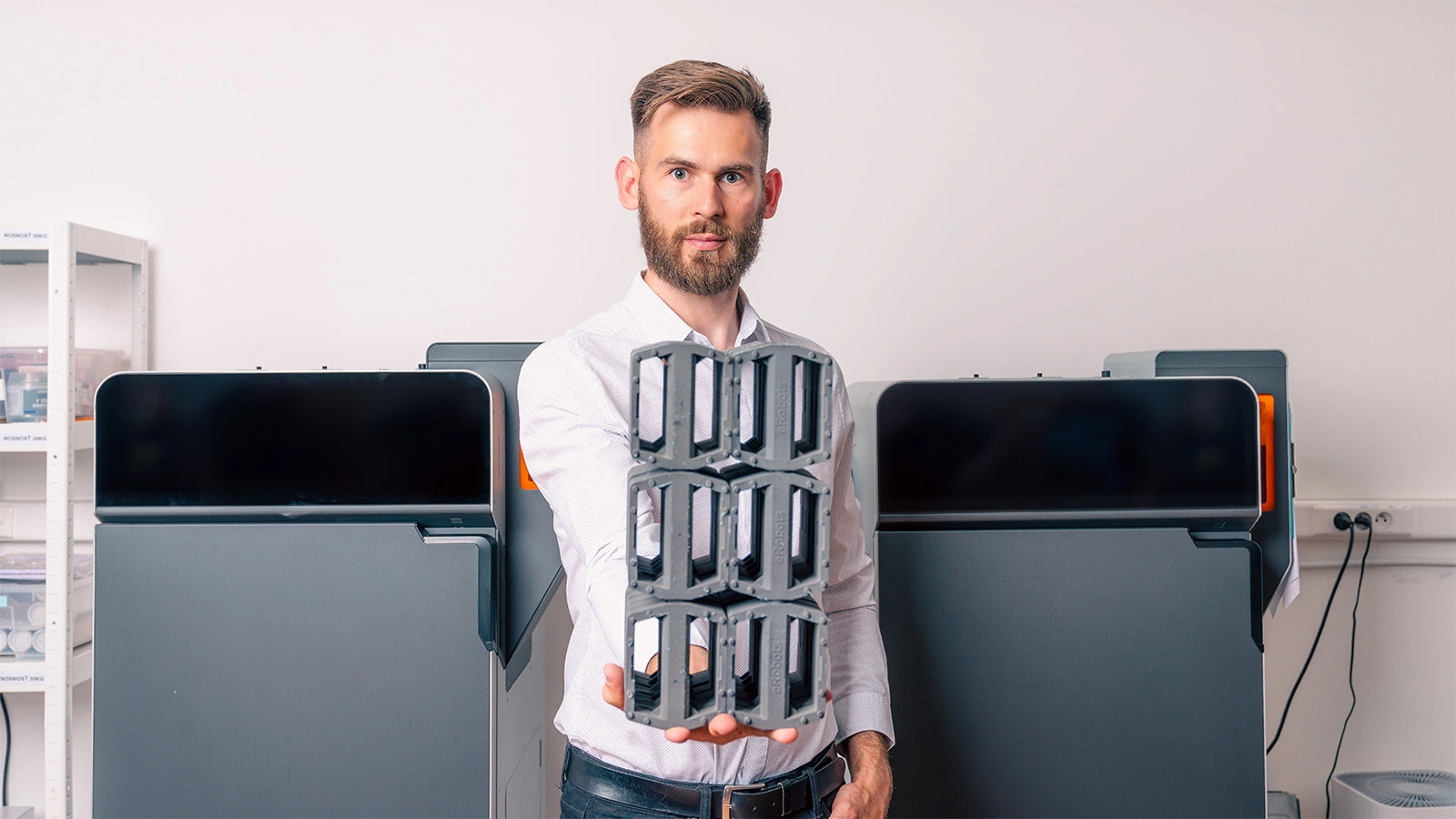
Fast and flexible production of parts according to your ideas – from prototypes to presentable finished components. We use FDM, SLA, SLS and SLM technologies and always choose the right one based on the parameters of the specific project. Use 3D printing to test concepts, produce functional parts, and manufacture small to medium production runs.









3D printing technologies
Each 3D printing technology has its own advantages and suits a different type of part. We use FDM, SLA, SLS and SLM and choose the right solution based on the required material, accuracy, mechanical properties, appearance and number of pieces.









- FDM
- large and cost-effective parts
- SLS
- functional parts and series
- SLA
- detailed and visual parts
- SLM
- functional metal parts
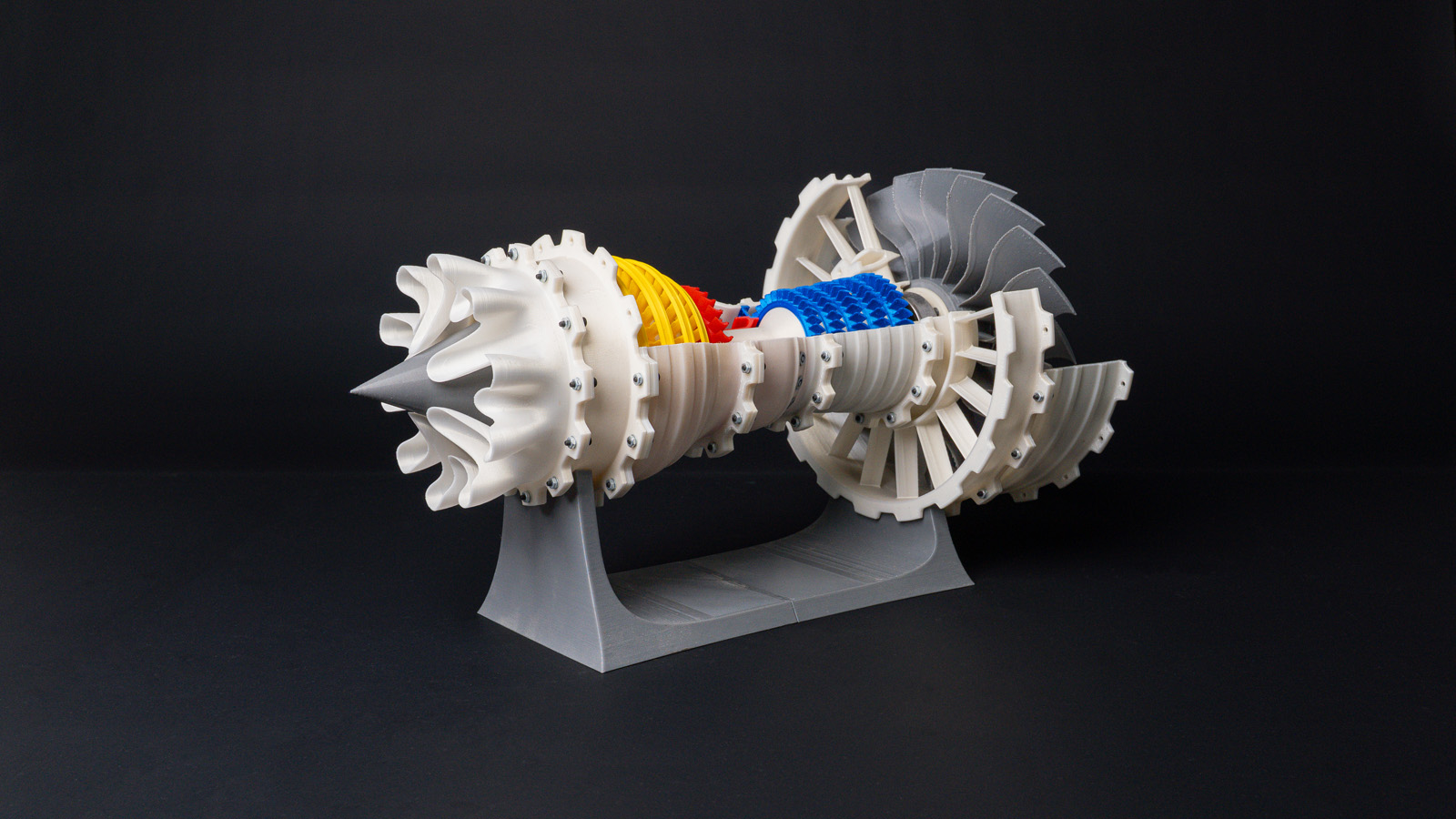
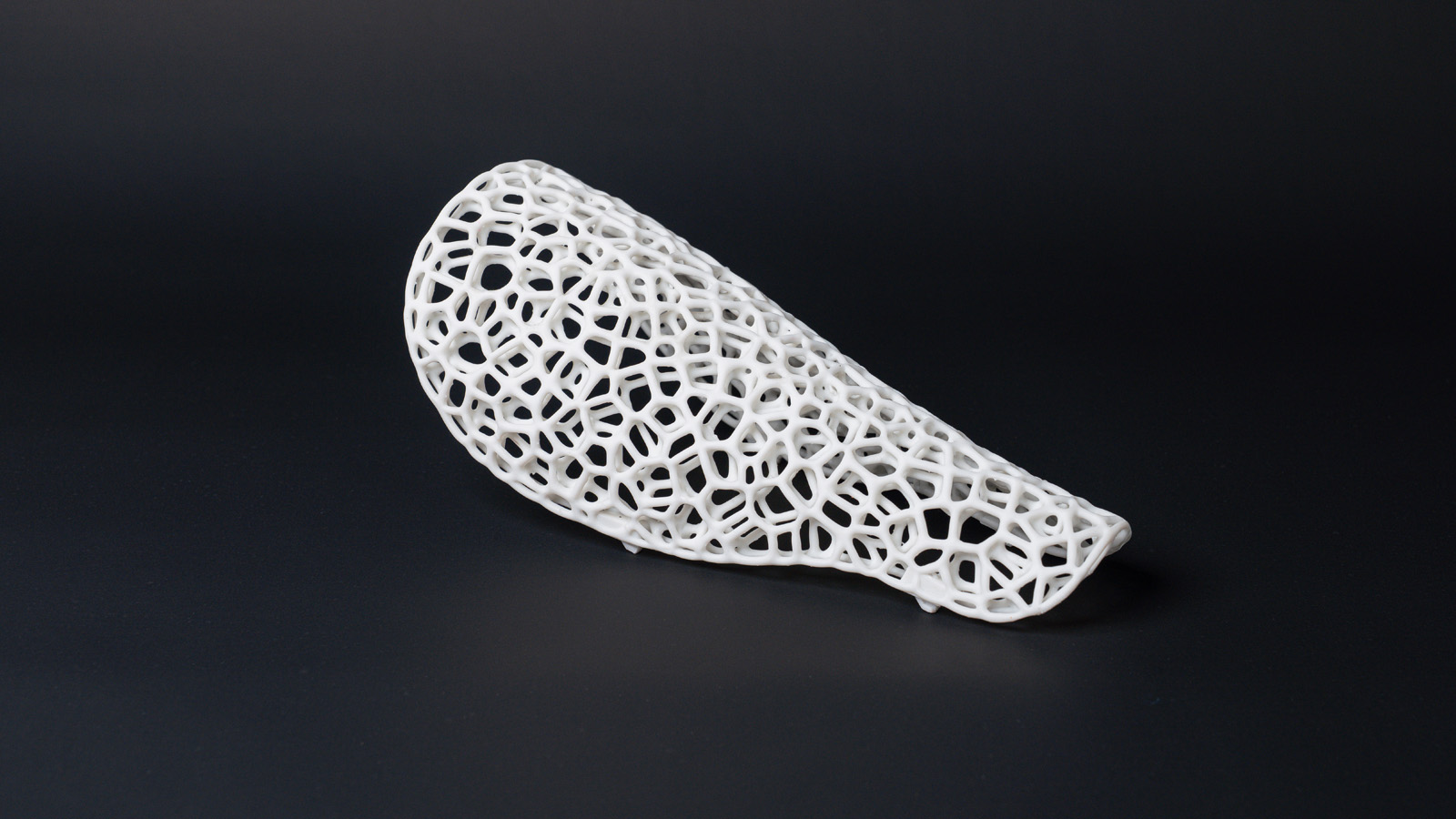
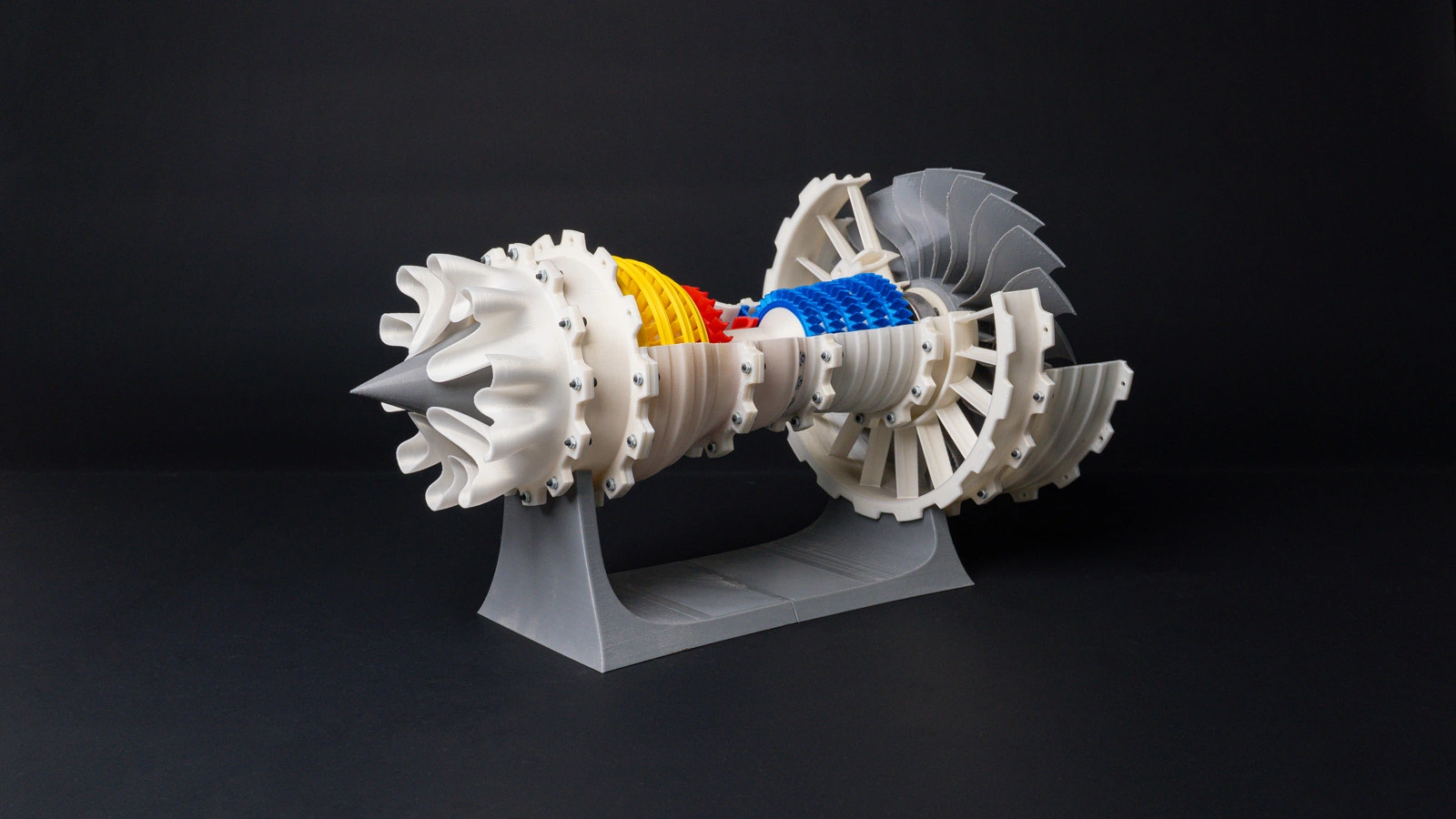
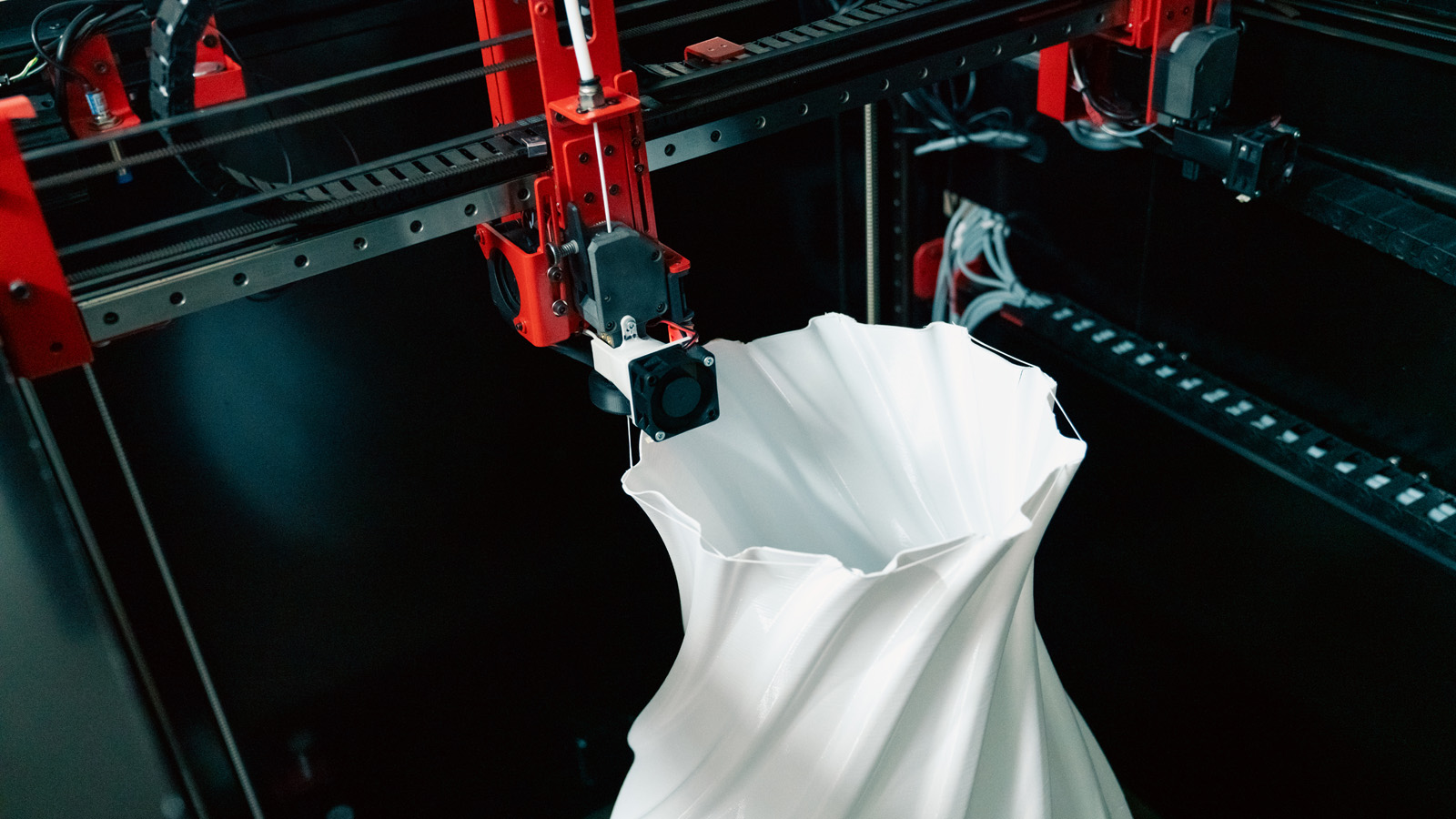
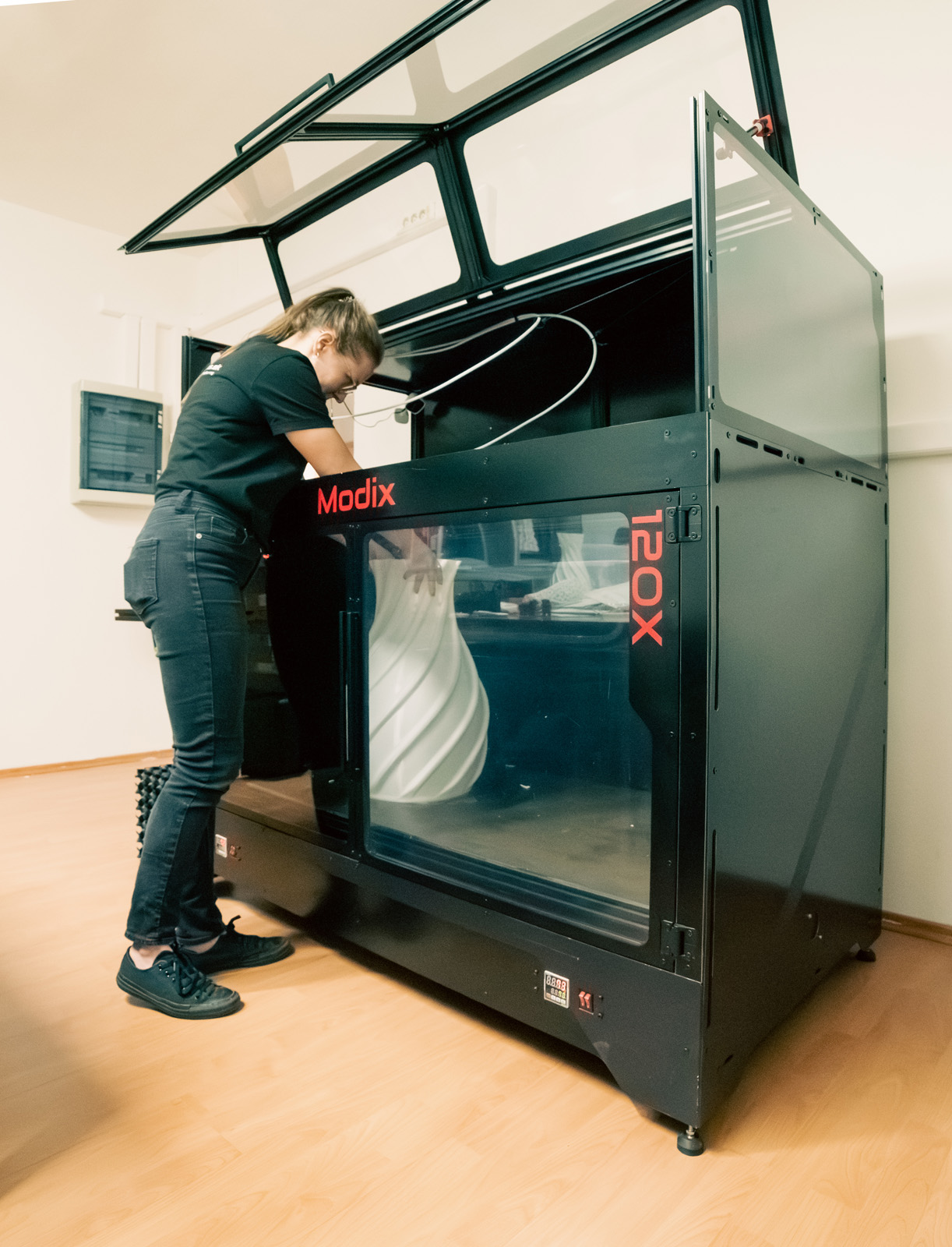
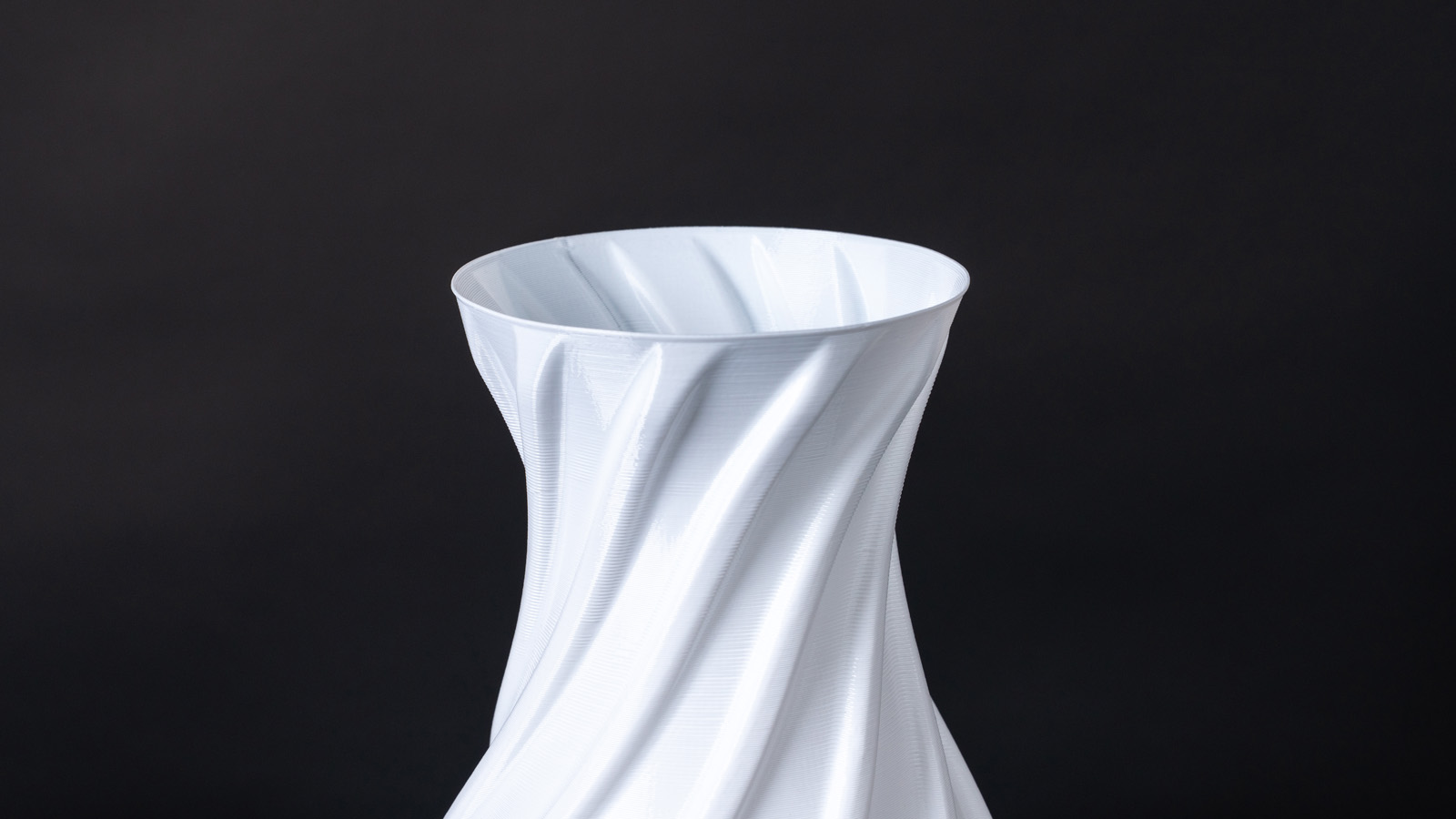
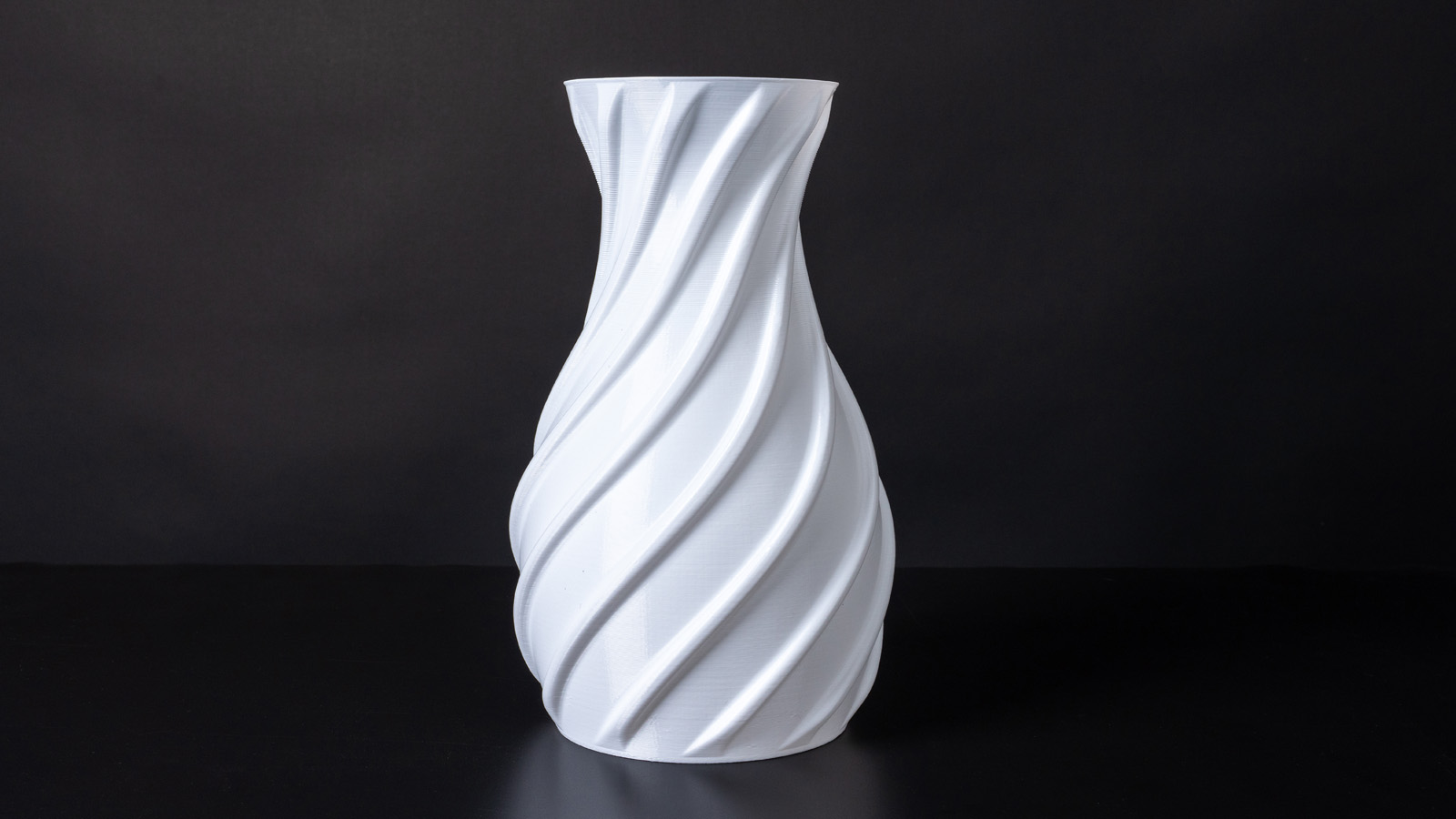
FDM is a 3D printing technology in which thermoplastic material is deposited layer by layer. It is especially suitable for fast and cost-effective production of prototypes, functional parts and larger components.

Advantages
-
 Low printing costs
-
Suitable for quick changes and iterations
-
Multi-colour printing available
-
Less waste compared to conventional methods
-
Printing with biodegradable materials available
Specifics
-
 Individual layers may be visible on the surface
-
Complex geometries may require support structures
-
Accuracy and detail are lower than with SLA
-
Mechanical properties may depend on the part's print orientation
Applications
-
Cost-effective prototypes
-
Production jigs, covers, holders
-
Architectural and exhibition models
-
Large parts
Technical parameters
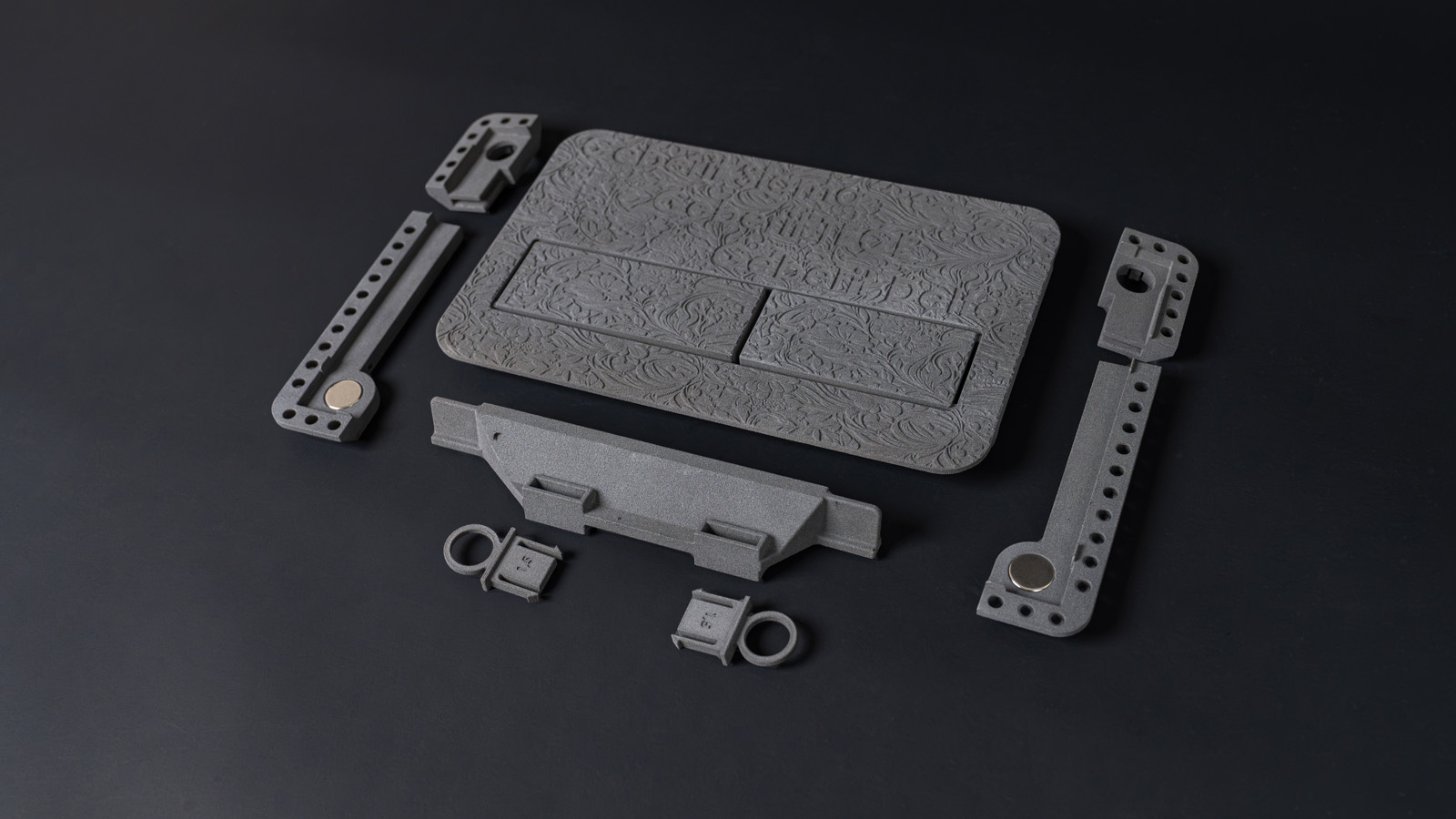
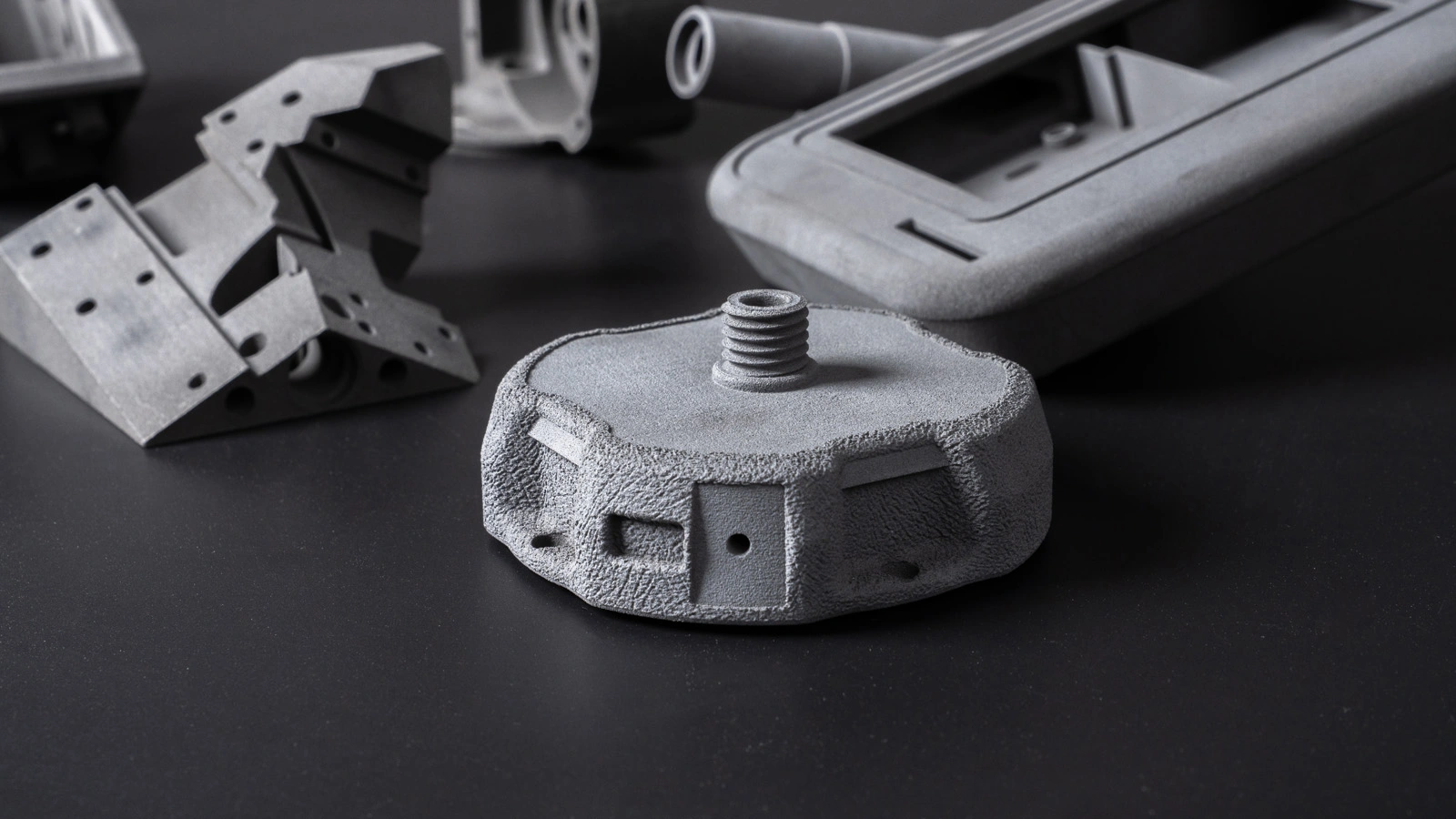
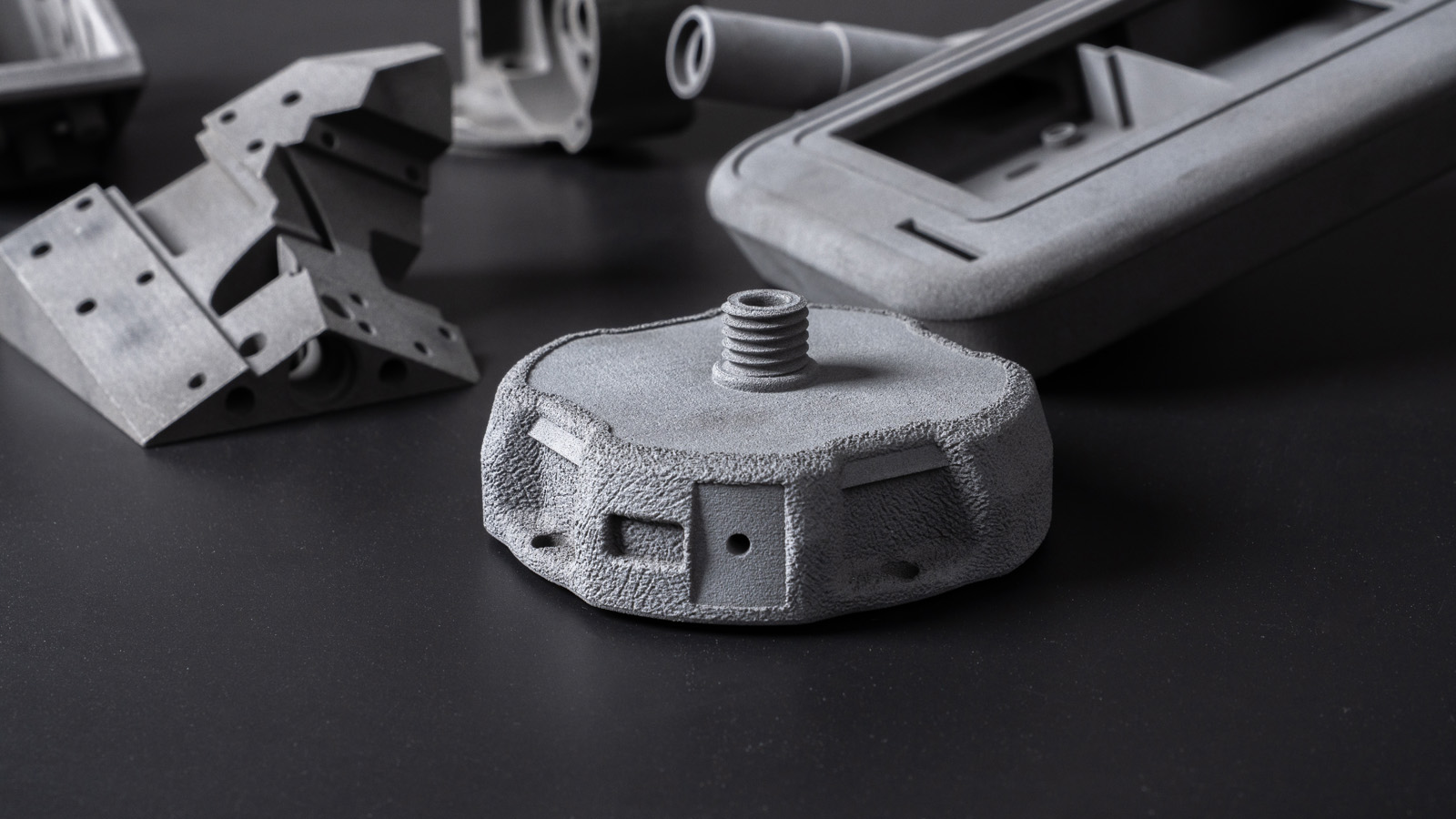
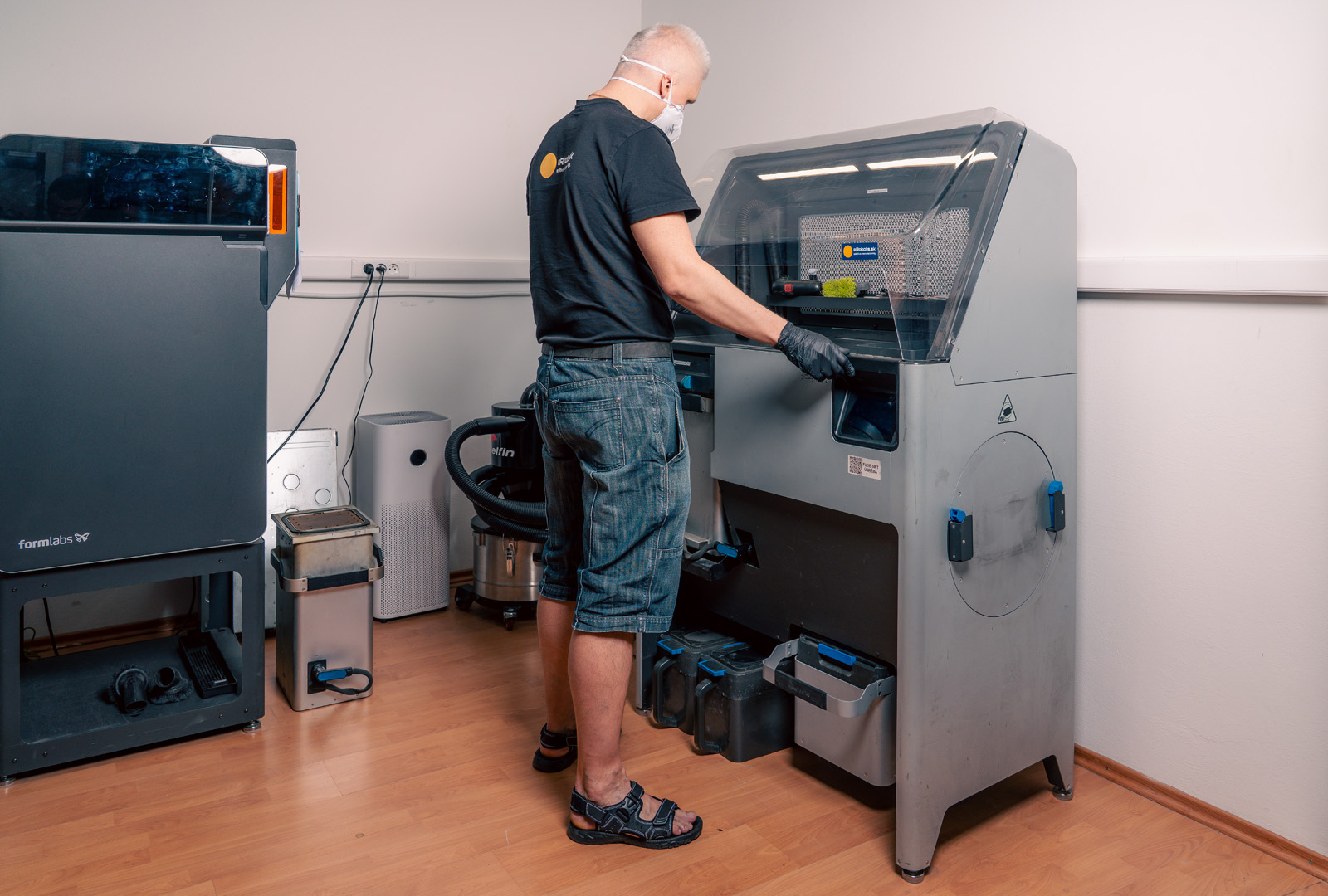
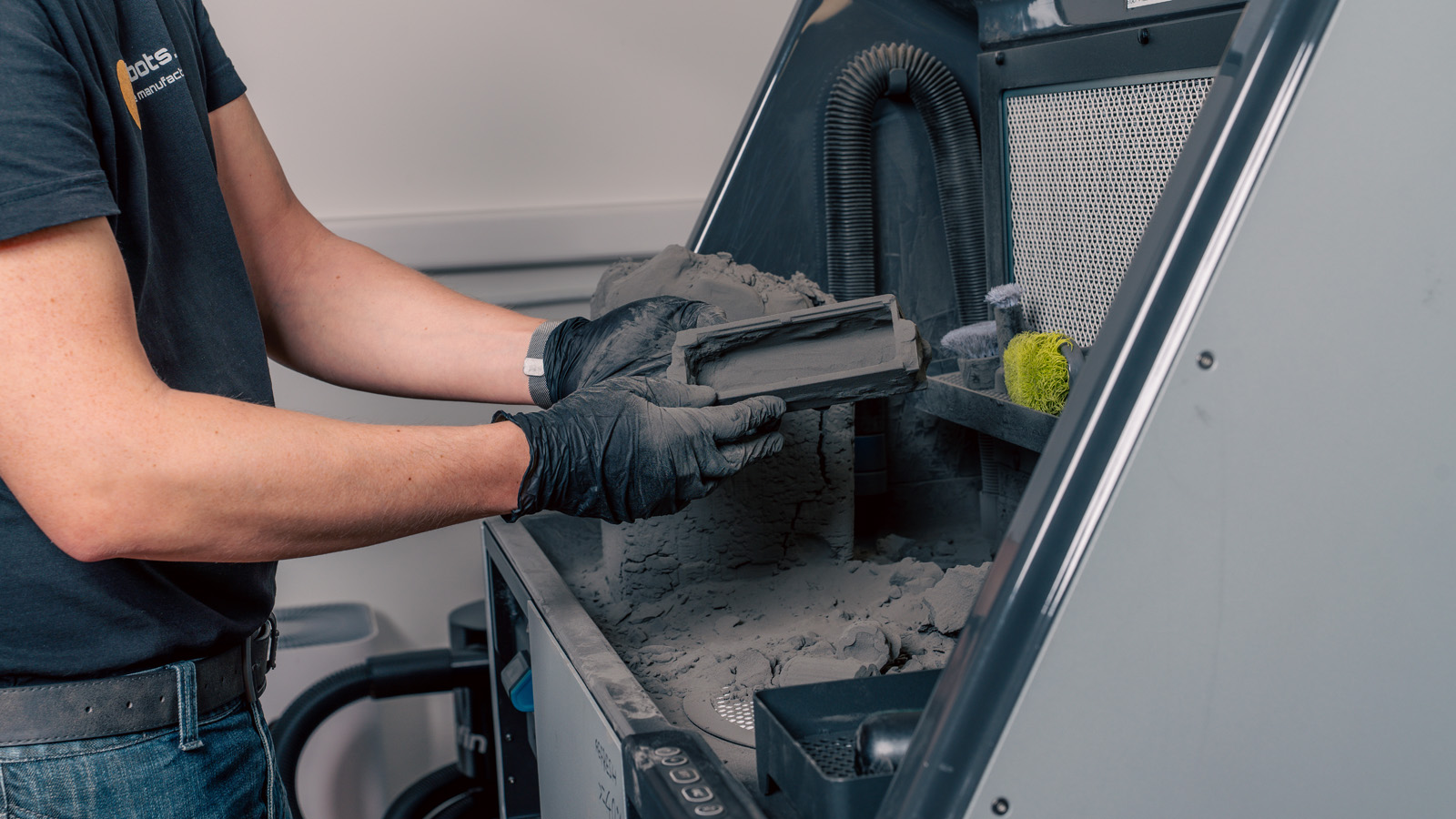
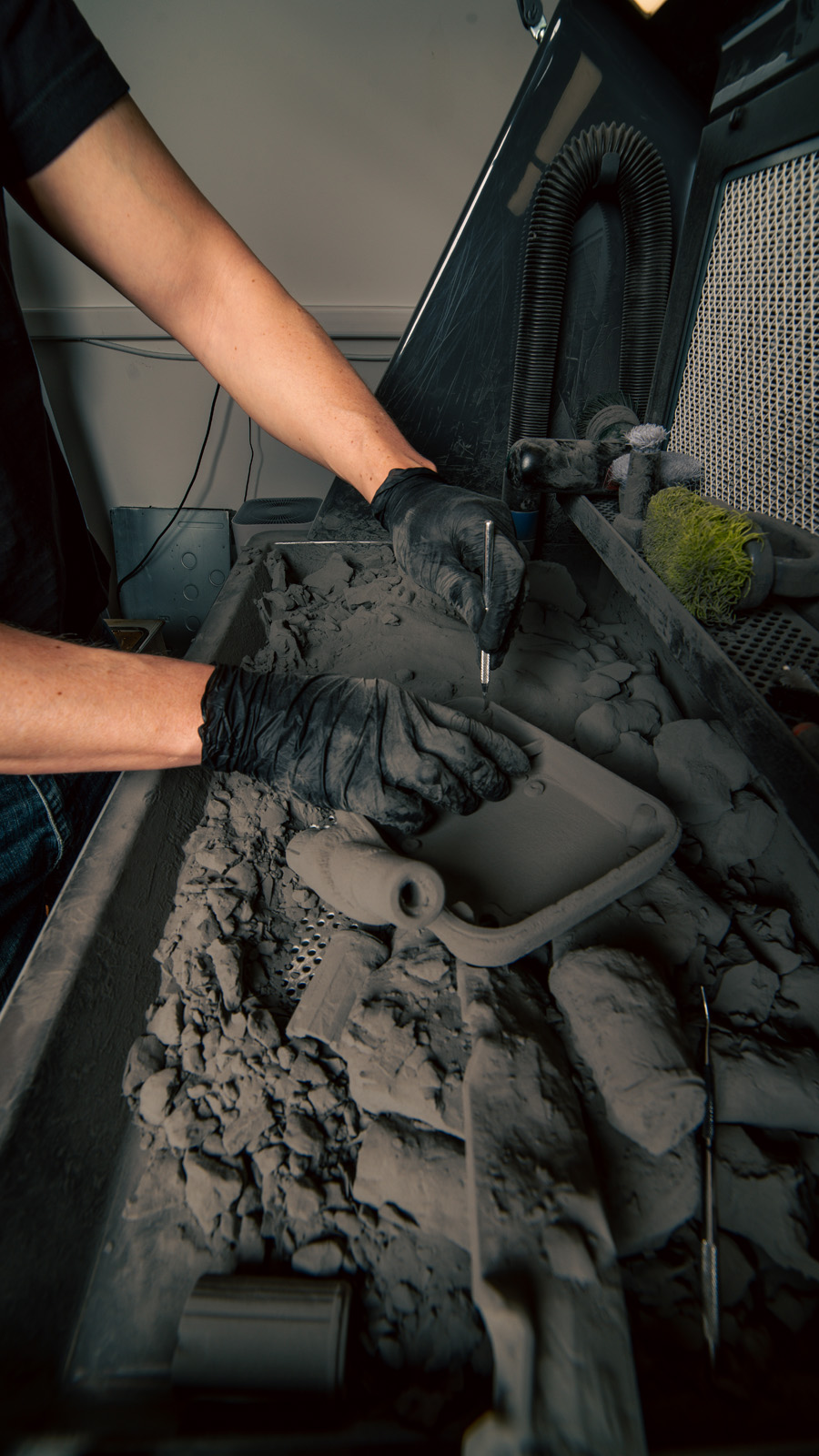
SLS uses a laser to sinter fine polymer powder. The technology produces strong, functional parts without the need for support structures, which makes it suitable for complex geometries and efficient small-batch production.
Advantages
-
High geometric freedom
-
Printing without support structures
-
Good mechanical properties
-
Efficient production of many parts at once
-
Suitable for functional and end-use parts
Specifics
-
The surface has a naturally fine-grained texture
-
Colour options come mainly from subsequent surface finishing
-
Large thin surfaces may require a suitable part design
-
Post-processing is recommended for a very glossy or smooth finish
Applications
-
Prototypes of electronics enclosures and housings
-
Finished plastic components for devices
-
Sensor holders, mounts and assembly parts
-
Geometrically complex channels and internal cavities
-
Series production of small technical components
Technical parameters
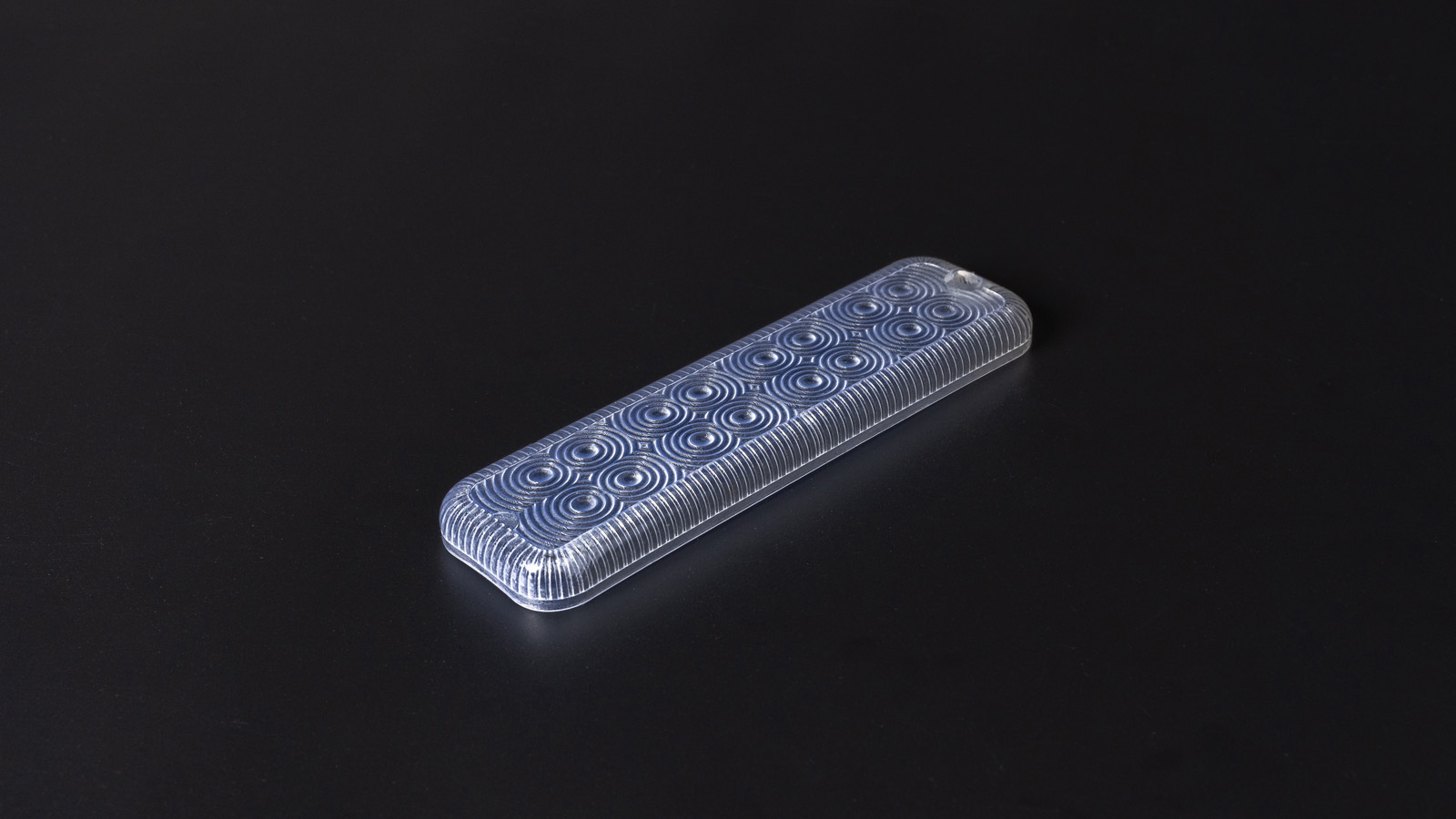
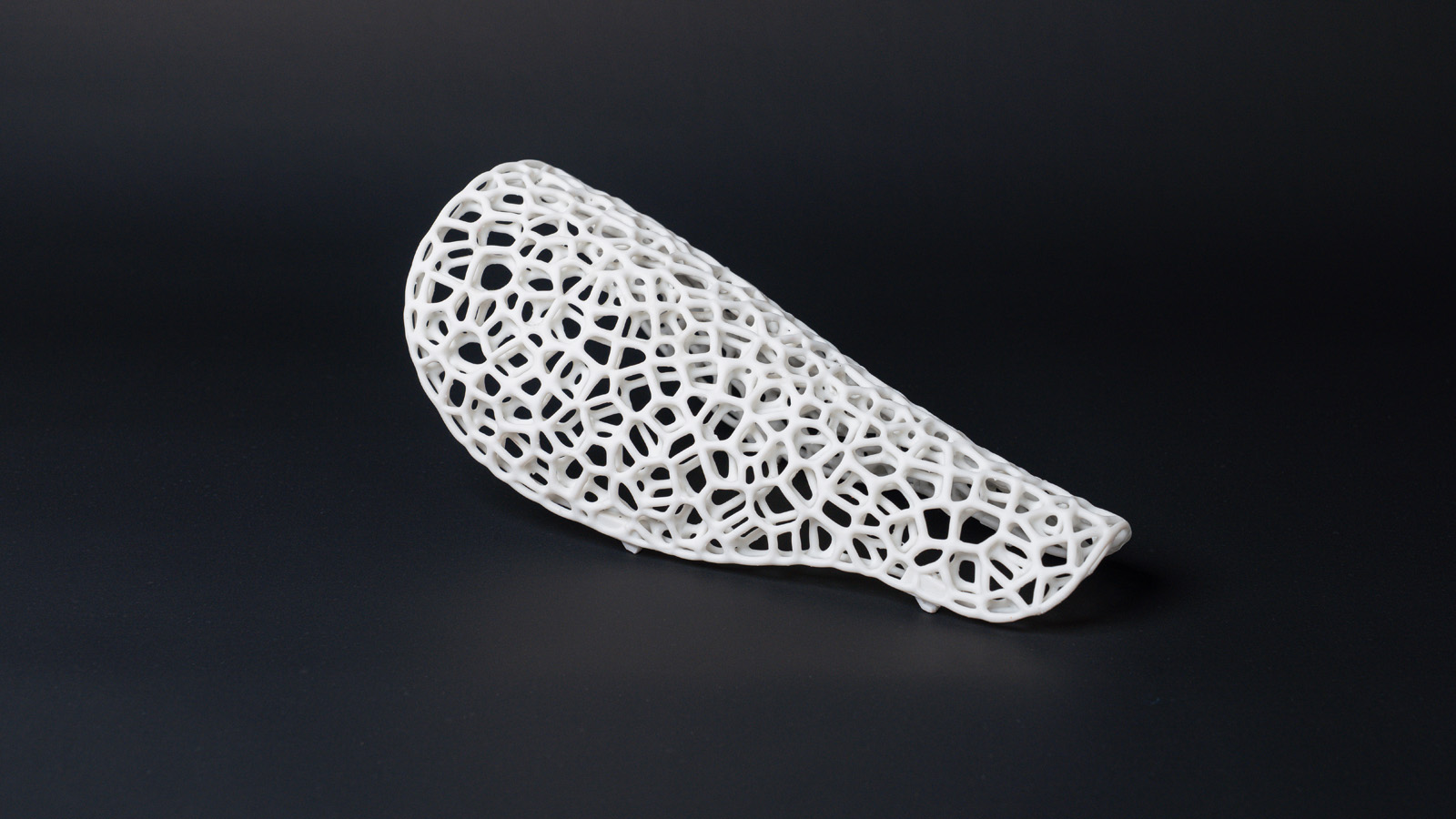
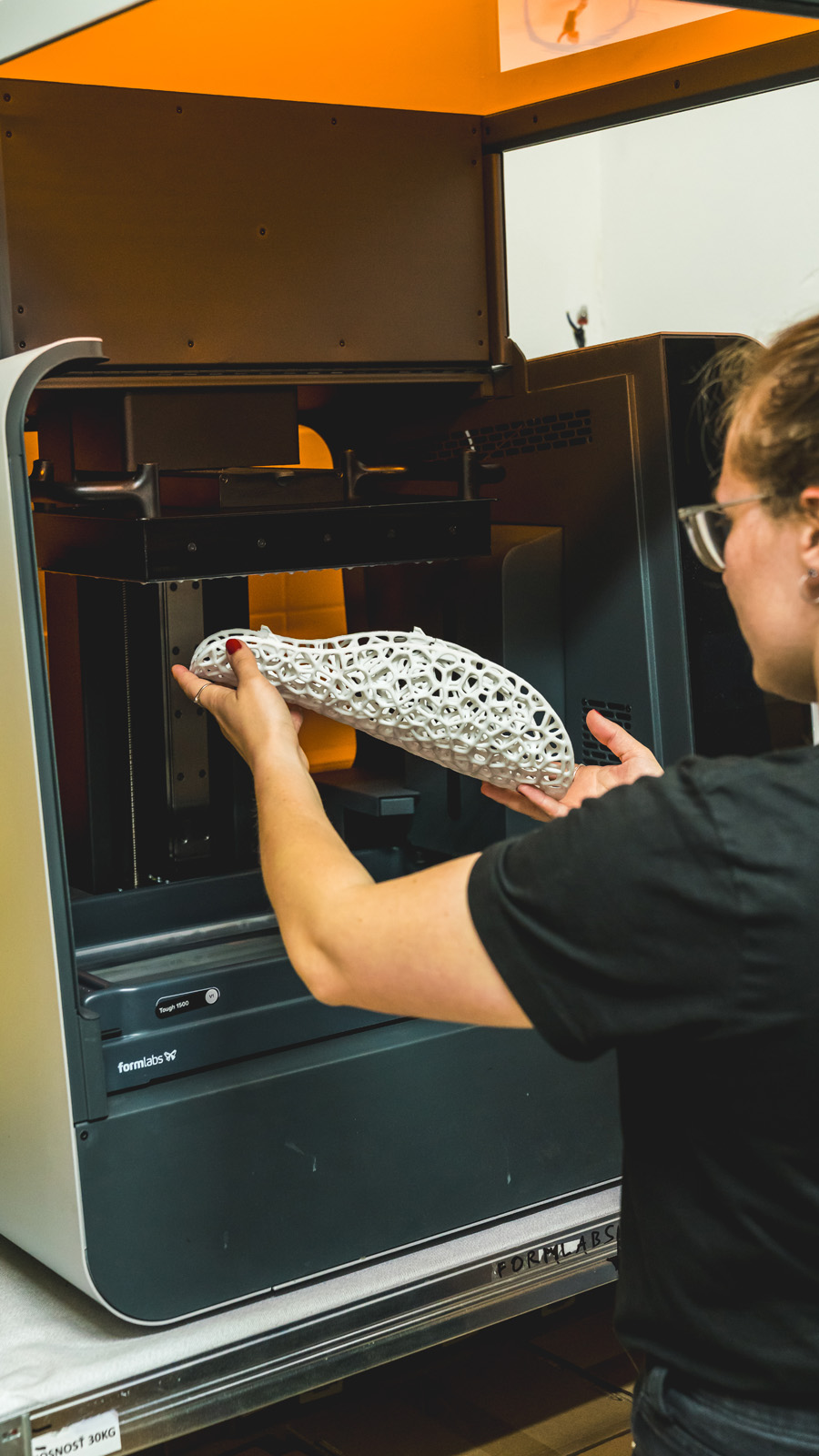
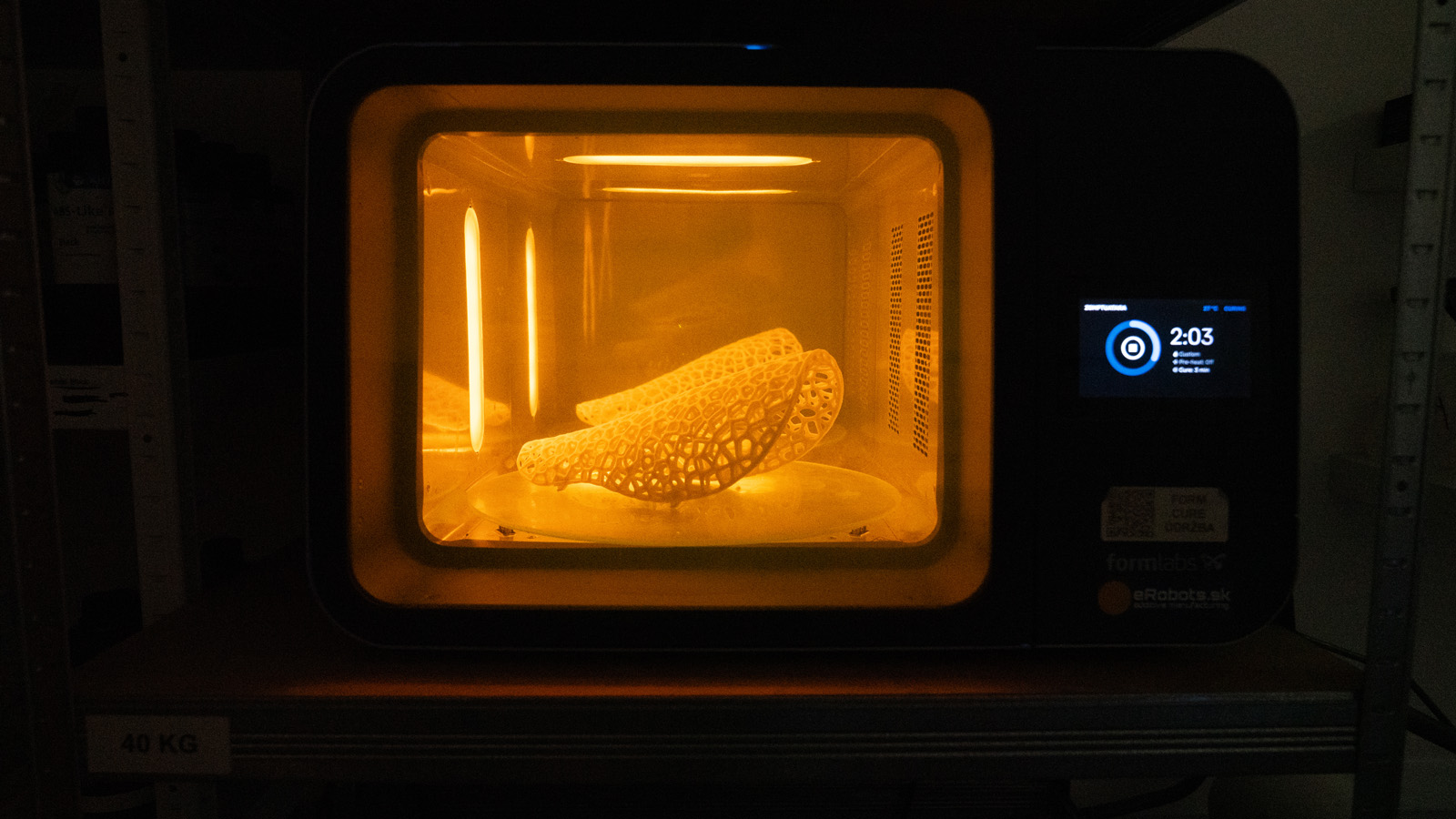
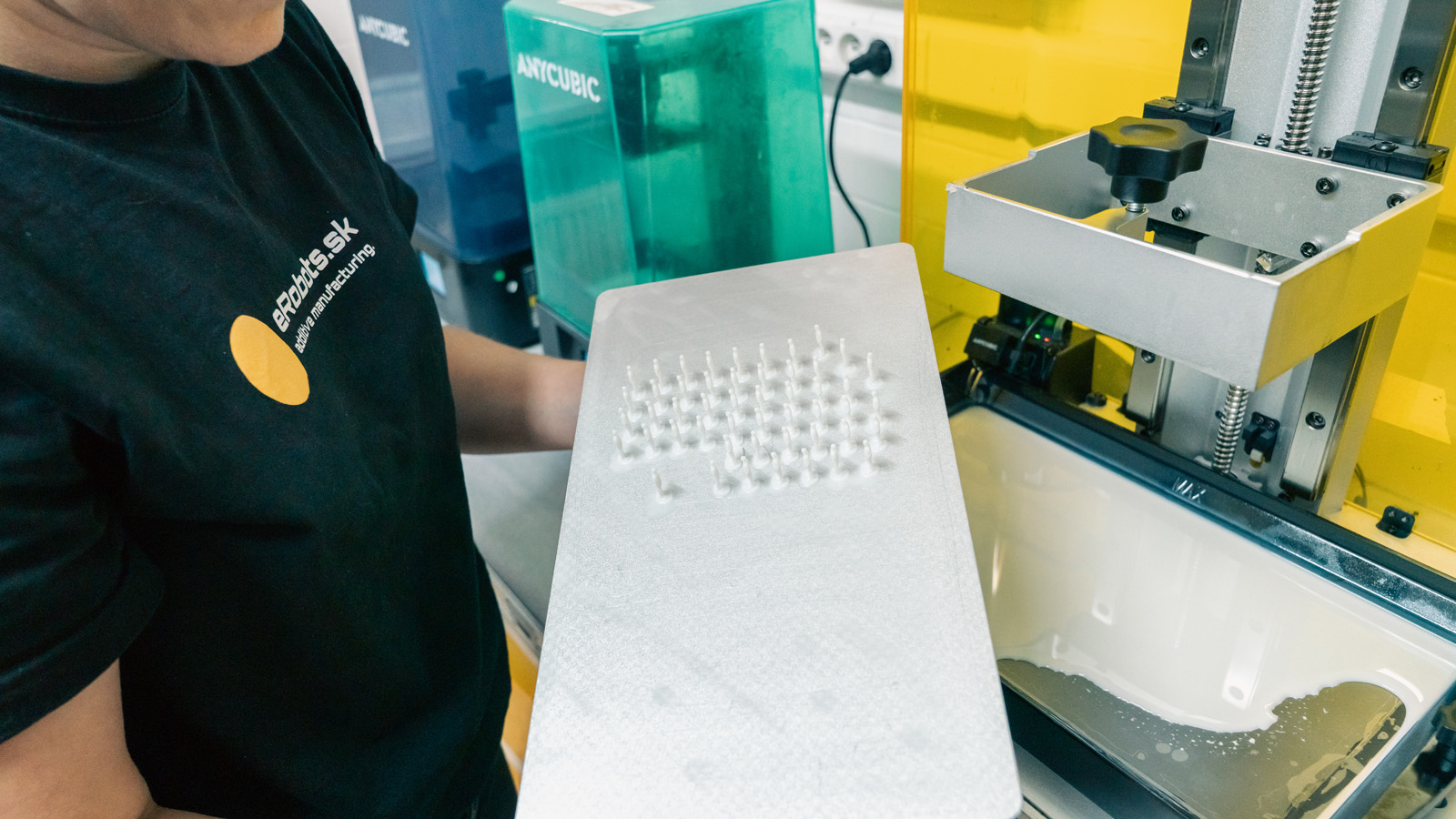
SLA builds parts by gradually curing liquid photopolymer resin with light. It stands out for its high accuracy, fine details and smooth surface, which makes it especially suitable where appearance or precise geometry matters.
Advantages
-
Very high level of detail
-
Smooth part surface
-
High dimensional accuracy
-
Wide range of materials with various properties
-
Suitable for small and detailed components
Specifics
-
Support structures are required during printing
-
Parts made from some materials are more brittle
-
Not every material is suitable for long-term mechanical stress
-
Not suitable for long-term UV exposure
Applications
-
Visual and presentation prototypes
-
Precise covers and small components
-
Detailed models
-
Moulds, jigs and master models
-
Functional parts from special technical resins (ESD, flame-retardant, biocompatible...)
Technical parameters
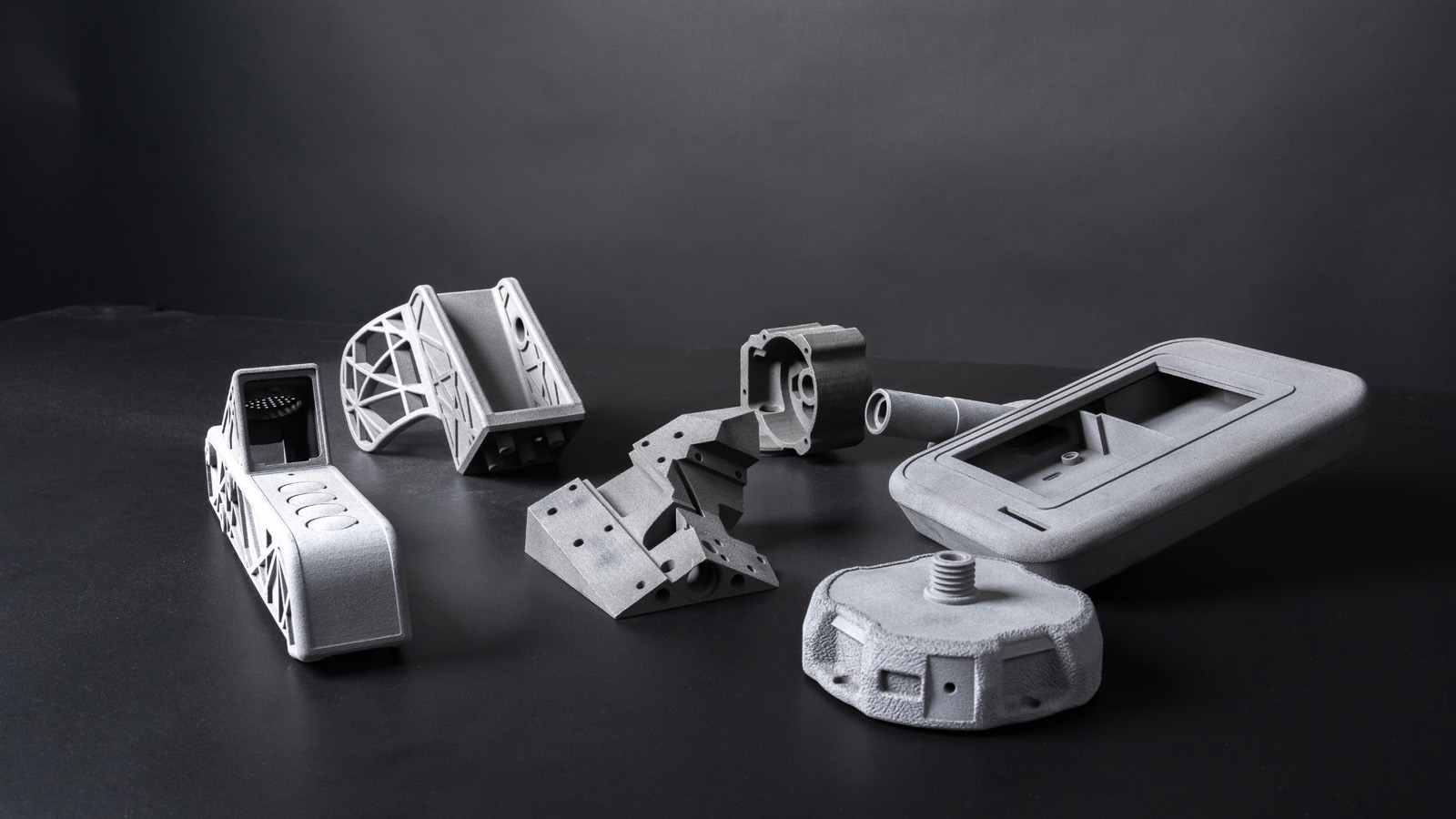
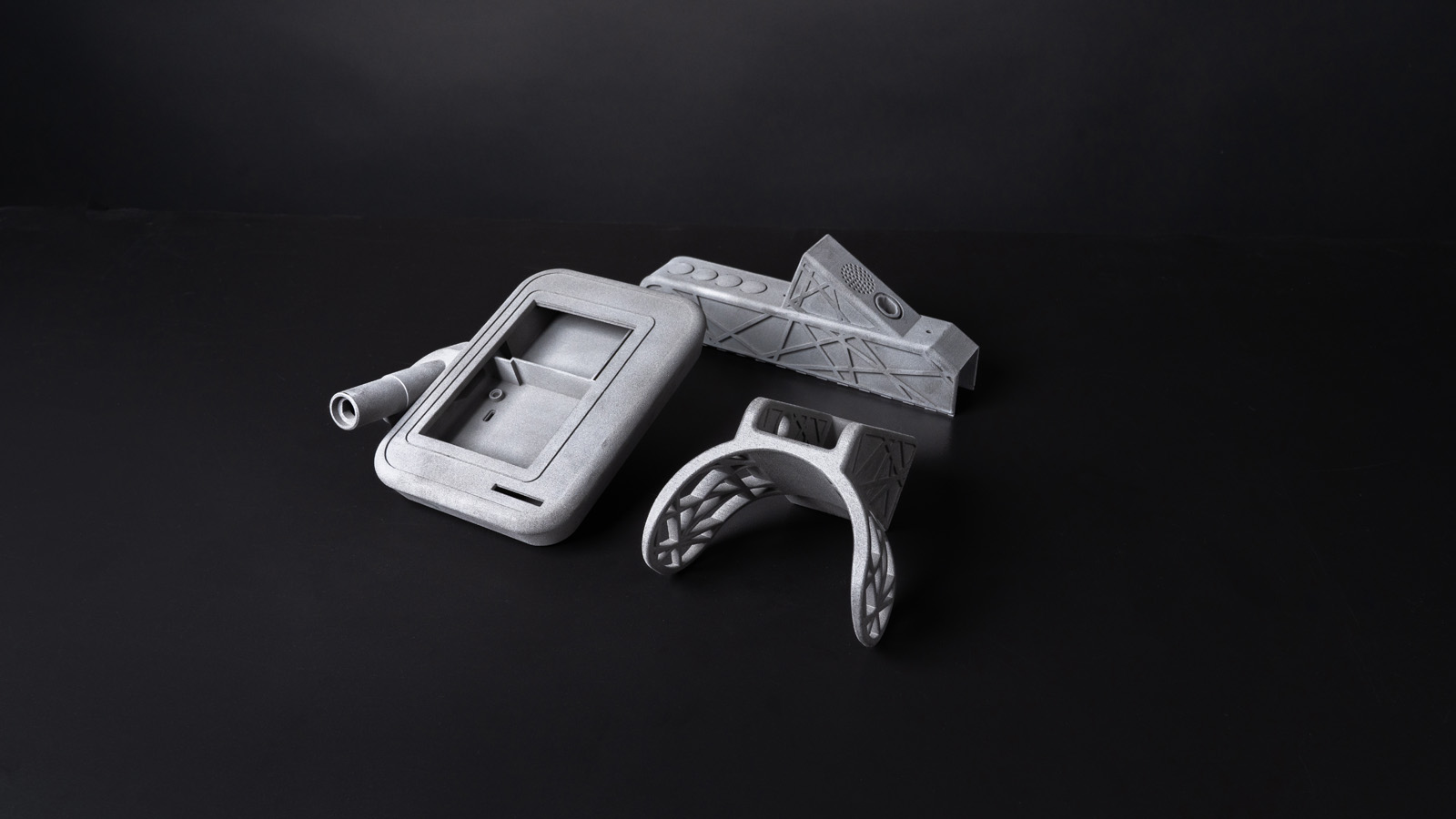
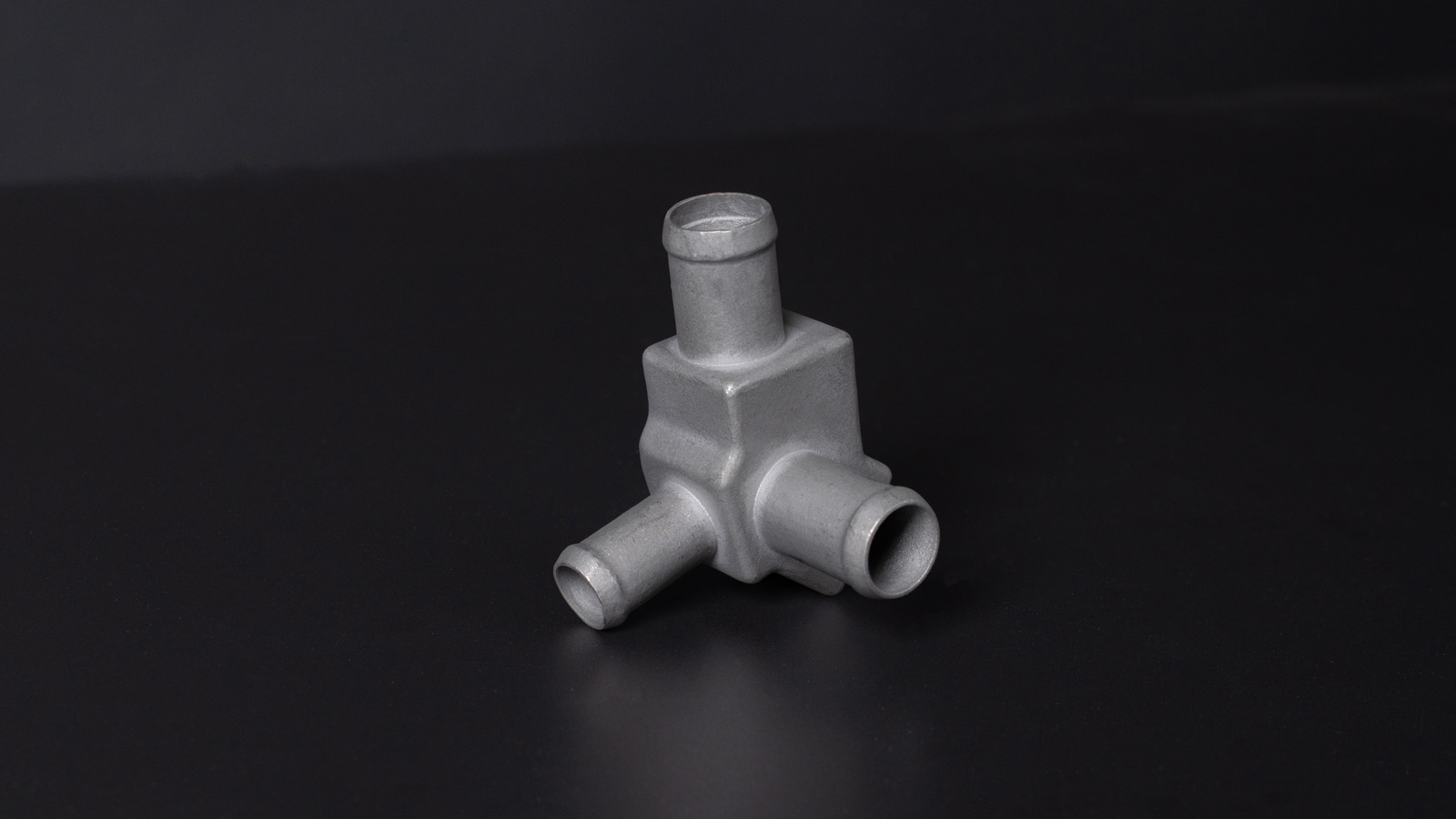
SLM uses a laser to melt fine metal powder layer by layer. The result is fully functional metal parts with high strength, suitable even for complex geometries that are difficult to produce with conventional methods.
Advantages
-
Production of fully functional metal parts
-
High strength and durability
-
Very complex geometries possible
-
Integration of several parts into a single component
-
Suitable for one-off and small-batch production
Specifics
-
Higher production cost compared to polymer technologies
-
Many geometries require support structures
-
Parts often require subsequent machining or surface finishing
-
The part design should be optimised for metal 3D printing
Applications
-
Functional metal components
-
Structural and mechanically stressed parts
-
Complex cooling or internal channels
-
Special jigs and tools
-
One-off and small-batch production of metal parts
Technical parameters












Gallery